This guide explains how excess body weight affects many body systems and why reaching a healthier size can prevent problems or slow their progress. You’ll learn in plain language how extra waist fat raises the chance of chronic disease and why that matters for daily life.
Obesity is a medical issue, not a character flaw. Medical weight loss pairs lifestyle changes with monitored, evidence-based tools so you get support and safety checks. If self-directed efforts haven’t worked, Pulse Health Clinic in Cleveland, Tennessee can help you interpret numbers and build a tailored plan.
Your personal risk depends on more than the scale. Waist size, blood markers, and how long you’ve carried excess weight all shape outcomes. This guide sets a roadmap: screening (BMI and waist), cardiometabolic checks like diabetes and blood pressure, organ impacts such as liver or kidney function, and quality-of-life issues like sleep, joints, and mood.
Acting early matters. Modest, sustained weight loss often improves key markers and lowers long-term risk. This article is educational and not a substitute for personalized medical advice.
Key Takeaways
- Extra abdominal fat can affect multiple organs and long-term outcomes.
- Medical weight loss offers monitoring and evidence-based tools to support change.
- Your risk comes from waist size, blood tests, and duration of excess weight.
- Early, modest weight loss can improve markers for chronic disease.
- Pulse Health Clinic in Cleveland, Tennessee can help with screening and plans.
Why obesity is considered a complex chronic disease
Your appetite and set point are shaped by more than diet and exercise. Biology, environment, medications, sleep, stress, and genes all influence how your body stores and defends weight.
Fat tissue is not inert. When you carry extra fat, it releases signals that promote inflammation and shift hormones that control hunger, blood sugar, and how your body handles lipids.
Over time these signaling changes can raise fasting glucose, increase triglycerides, and push up blood pressure. Those are measurable signs of metabolic changes you can track with routine labs and exams.
Why more weight and longer duration raise concern
The chance of complications is dose- and time-dependent. The more weight you carry and the longer it stays, the higher the likelihood of organ strain and metabolic decline.
Setbacks are common because your body adapts to weight loss—hunger signals intensify and energy needs fall. That is why structured medical care can help you stick with safe, effective plans and slow unwanted adaptations.
| Factor | How it affects you | What you can measure |
|---|---|---|
| Excess fat tissue | Promotes low-grade inflammation and hormone shifts | CRP levels, fasting glucose, triglycerides |
| Duration of excess weight | Increases cumulative organ stress and metabolic decline | Blood pressure trends, A1c, lipid profile |
| Biology & environment | Alters set point and appetite control | Weight trends, sleep quality, medication review |
Acting early often changes your long-term path. Addressing weight in younger adults can lower future problems and improve outcomes as you age.
How to tell if your weight is increasing your risk
You can spot early warning signs by tracking two easy-to-get measurements at home and with your clinician. These numbers help you know when to order screening labs or adjust plans.
Body mass index and what the categories mean
Body mass index is a screening index based on height and weight. It gives a quick view of population-level risk but is not a full picture of your condition.
| BMI range | Category | Typical clinical action |
|---|---|---|
| 18.5–24.9 | Normal | Routine screening; track trends yearly |
| 25.0–29.9 | Overweight | Check blood pressure, fasting glucose, lipids |
| ≥30.0 | Obesity threshold | More frequent labs, consider medical weight plan |
Waist size and why belly fat matters
Waist circumference detects abdominal fat, which links more strongly to cardiometabolic change than fat elsewhere. Measure at the midline—just above the hip bones after a normal exhale.
Practical cutoffs: women >35 inches; men >40 inches. Even with a lower BMI, a high waist can increase risk if blood markers or family history are concerning.
Know your numbers: track weight trend, waist size, blood pressure, fasting glucose, and lipids to catch changes early and discuss them with your clinician.
Obesity health risks that affect your blood sugar and insulin
Changes deep inside your metabolism can make blood sugar harder to control, even before you notice symptoms.
Type 2 diabetes and the link to excess weight
Nearly nine in ten people with type 2 diabetes have overweight or obesity. That tight link means rising weight often raises your chance of developing type diabetes over time.
How insulin resistance develops
Insulin helps move glucose from blood into cells. With insulin resistance, cells stop responding well, so glucose stays in your blood longer and the pancreas works harder to compensate.
Why prolonged high blood glucose damages organs
Persistent high blood glucose injures small and large vessels. Over years this raises the chance of heart disease, stroke, kidney damage, eye problems, and nerve damage.
How modest weight loss can prevent or delay diabetes
Losing 5%–7% of your starting weight often prevents or delays type 2 diabetes for at-risk adults. For example, a 200 lb person losing 10–14 lb may see meaningful benefit.
Practical steps: keep consistent meals, prioritize sleep, manage stress, and track labs like fasting glucose and A1c. Medical weight loss can add clinician oversight, regular lab monitoring, and evidence-based options if lifestyle change alone isn’t enough.
High blood pressure and unhealthy cholesterol levels
Carrying extra weight forces your heart and vessels to work harder, which often shows up as higher blood pressure. More tissue needs more blood flow, so your heart pumps with greater effort and your vessels face added pressure.
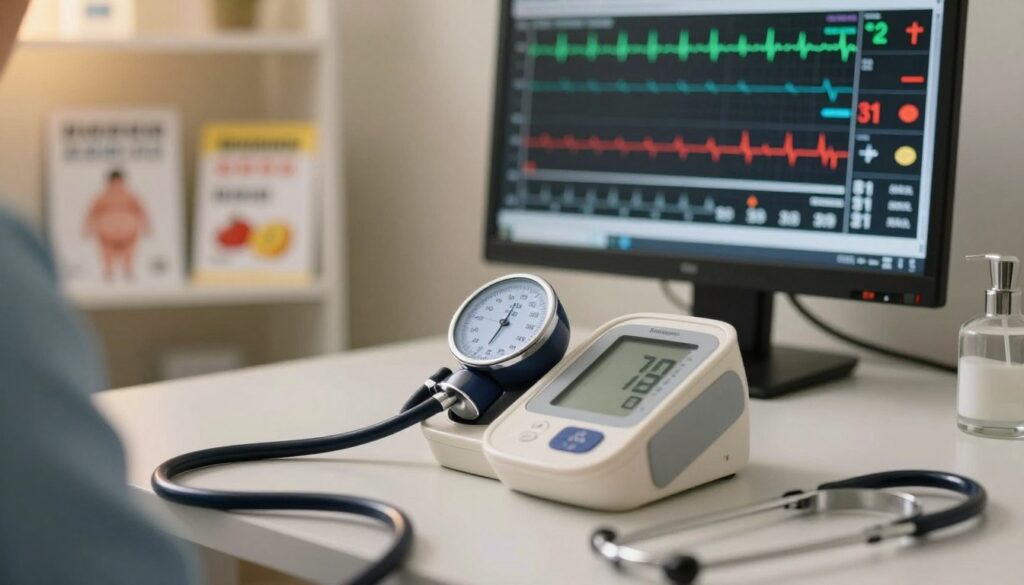
Why a larger body size raises blood pressure and strains the heart
When your circulation must supply extra tissue, cardiac output rises. That increases the load on the heart and on arterial walls.
Over time, this can lead to persistently high blood pressure and make the heart less efficient.
How the kidneys help control pressure and what can go wrong
The kidney regulates fluid and salt balance, which helps set your blood pressure. Excess fatty tissue can alter kidney function and raise blood pressure further.
Damage to kidney filtering or to the hormonal signals they send can worsen hypertension and cause downstream organ strain.
Cholesterol and blood-fat patterns to watch
Unhealthy cholesterol profiles often include higher triglycerides, lower HDL (the “good” type), and more atherogenic LDL particles.
These changes in blood lipids promote plaque buildup, vascular stiffness, and greater risk for heart events.
- Get regular blood pressure checks at home or clinic.
- Ask for a fasting lipid panel to review cholesterol and triglyceride levels.
- Work with your clinician to interpret results in the context of your overall profile.
Good news: gradual, sustainable weight loss plus improved nutrition and steady activity often lowers blood pressure and improves cholesterol levels.
Heart disease and stroke risk with overweight and obesity
Extra body weight often accelerates processes that harm arteries and the heart, sometimes without clear symptoms.
How blood pressure, cholesterol, and glucose multiply danger
Heart disease covers many problems: heart attack, heart failure, angina, and abnormal rhythms. Each can result when upstream factors like high blood pressure, poor cholesterol patterns, and elevated blood glucose are present.
When these factors occur together, your chance of a major event climbs faster than any single issue alone. That compounding effect raises overall cardiovascular risk.
Why uncontrolled pressure drives most strokes
A stroke happens when a vessel to the brain is blocked or bursts. Uncontrolled high blood pressure is the leading driver of stroke because it weakens vessel walls and promotes clots.
You can feel fine while damage builds. Routine checks catch rising blood pressure, glucose, and cholesterol before symptoms start.
- Losing modest weight often lowers blood pressure, improves glucose control, and helps lipid profiles.
- Work with clinicians for coordinated care, realistic goals, and regular follow-up to lower your cardiovascular risk.
Metabolic syndrome and what it signals about your overall health
Think of metabolic syndrome as an alarm: several lab and exam findings together warn that your metabolism needs attention.
Key markers clinicians watch
The core signs are large waist size, high triglycerides, high fasting glucose, low HDL, and elevated blood pressure.
These markers come from simple exams and routine blood tests. Tracking them shows whether factors that harm long-term health are present.
How activity and weight changes help
Physical activity improves insulin sensitivity and helps your body handle blood fats better, even before the scale moves.
Modest weight loss plus steady weekly activity often lowers abnormal levels. Small changes reduce the number of abnormal markers over months.
Practical steps and tracking
Set realistic goals: aim for gradual weight loss, add regular activity, and repeat labs and vitals to confirm improvement.
Why this matters: the cluster raises your future risk for type 2 diabetes and cardiovascular disease, so trend tracking matters more than day-to-day feelings.
Fatty liver disease and modern terminology you may hear
Extra fat can collect in your liver quietly, and many people have no clear symptoms at first. That buildup is called fatty liver, and left unchecked it can progress to inflammation, scarring, and—rarely—liver failure.
NAFLD, NASH, and MASLD explained in plain language
Clinicians use several terms. NAFLD is the older label for excess liver fat. NASH means the liver shows inflammation and injury. MASLD is a newer umbrella term that highlights metabolic dysfunction linked to liver fat.
How insulin resistance and abnormal blood fat levels contribute
Insulin resistance and unhealthy blood fat handling push more fat into the liver. Over time, that encourages inflammation and cell damage.
Why modest weight loss often helps
Losing as little as 3%–5% of your starting weight can reduce liver fat for many people. Gradual weight loss plus better nutrition often lowers triglycerides and improves glucose control, which helps the liver heal.
- Evaluation may include liver enzymes on bloodwork and ultrasound imaging when indicated.
- Ongoing monitoring is recommended if labs are abnormal or symptoms develop.
- Early, steady changes in diet and activity can show improvement within months.
Cancer risks associated with obesity
Gradual weight gain across adulthood can change how your body regulates hormones and cell growth. Over years, those shifts in metabolism and inflammation link to a higher chance of several cancers.

Cancers more commonly linked with excess weight in men
In men, excess body fat most often aligns with higher rates of colon and rectal cancers and has been associated with prostate cancer in some studies. These links come from long-term metabolic and hormonal changes.
Cancers more commonly linked with excess weight in women
For women, postmenopausal breast cancer, endometrial (uterine lining) cancer, and gallbladder cancer occur more often with higher weight. Hormone shifts and chronic inflammation are key factors.
Why adult weight gain over time matters
Even before hitting higher BMI categories, steady gain during adulthood raises your overall cancer risk for sites like colon, kidney, breast, and ovary. The duration of excess fat matters.
| Cancer type | More common in | Why linked | Prevention & screening |
|---|---|---|---|
| Colorectal | Men and women with long-term excess weight | Insulin and inflammation promote growth signals | Colonoscopy per guidelines; discuss earlier screening if family history |
| Prostate | Men with higher body fat | Hormonal shifts and metabolic changes | PSA and clinician discussion based on age and history |
| Endometrial & breast | Women, especially postmenopausal | Higher estrogen from fat tissue and inflammation | Mammography and gynecologic follow-up; personalize timing |
| Gallbladder & kidney | Both sexes with sustained gain | Bile composition and metabolic strain | Imaging and labs when symptomatic; lifestyle counseling |
Practical steps: manage weight with better nutrition and regular activity, and get appropriate screenings. Talk with your clinician to personalize plans based on family history and overall risk.
Breathing problems and sleep apnea
Many people don’t realize that extra neck fat and higher body weight make pauses in breathing more likely during sleep.
How added weight changes breathing mechanics
Extra body mass can reduce lung volume and make your chest work harder. That alters airflow and raises the risk of breathing problems during sleep.
Fat around the neck can press on the upper airway. When you lie down, that narrowing becomes more likely to block airflow.
Obstructive sleep apnea and airway collapse
Obstructive sleep apnea happens when soft tissue closes the airway during sleep. You may snore loudly, gasp, or stop breathing for short spells. Daytime tiredness and poor concentration are common signs.
Untreated apnea raises the risk of heart disease and diabetes over time. That is why evaluation with a sleep study and treatment, like CPAP, matter.
Asthma, breathing control, and weight
Higher weight can worsen asthma symptoms and make control harder. Mechanical strain and low-level inflammation change how airways react to triggers.
Losing weight often lowers apnea severity and can improve asthma management. Still, you may need formal testing and ongoing therapies to stay safe and breathe better.
- Watch for: loud snoring, choking, daytime sleepiness.
- Do: ask your clinician about a sleep study if you suspect apnea.
- Know: modest weight loss can help, but treatment like CPAP may still be required.
Joint pain, inflammation, and mobility: osteoarthritis and gout
When joints hurt, two main processes are usually at work: mechanical wear and bodywide inflammation. That helps explain why knee, hip, and ankle problems are common when your body carries extra mass.
How extra mass increases joint stress
Each step multiplies force through weight-bearing joints. Even a small change in body weight can shift pressure on cartilage and speed its breakdown.
Osteoarthritis is progressive cartilage wear with pain, stiffness, swelling, and less range of motion. It often shows first in the knees and hips.
How inflammation and uric acid affect flares
Bloodborne inflammatory signals can worsen joint inflammation and pain. Gout happens when uric acid crystals collect in a joint and trigger sudden, severe flares.
Gout commonly coexists with higher blood pressure and dietary patterns that raise uric acid.
Why weight loss and activity improve pain and function
Losing weight reduces mechanical load and can lower inflammatory markers and uric acid burden. That often means fewer flares and less pain.
Low-impact physical activity and targeted strength work improve function, mood, and joint stability. Aim for steady progress and clinician guidance when needed.
| Driver | Effect on joints | Practical steps |
|---|---|---|
| Mechanical load | Cartilage wear, pain with movement | Weight loss, low-impact exercise, braces |
| Systemic inflammation | Persistent joint swelling and soreness | Improve diet, monitor labs, guided weight change |
| Uric acid buildup | Sudden gout flares with intense pain | Hydration, diet adjustment, weight loss, meds if needed |
Gallbladder disease and pancreatic inflammation
Small changes in how your body handles fats can set the stage for gallstones or pancreatic inflammation. Extra cholesterol in bile promotes stone formation, and that may lead to gallbladder dysfunction over time.
Gallstones, bile chemistry, and rapid loss caveat
When bile contains more cholesterol than it can dissolve, stones can form. Carrying excess body mass raises that chance and can change gallbladder function.
Important: losing weight very fast increases stone formation for some people. Aim for steady, supervised weight loss to lower that particular risk and to spot symptoms early.
Pancreatitis and high blood fat levels
Pancreatitis is inflammation of the pancreas. Very high triglyceride levels in your blood can irritate the gland and trigger attacks.
Keep triglyceride and other lipid levels monitored if you have persistent elevations or frequent belly pain.
- Watch for: post-meal right-upper abdominal pain, nausea, or bloating and discuss these with your clinician.
- Prevention: gradual weight loss, a lower-fat nutritious plan, and medical monitoring when lipid levels are high.
Kidney disease risk and why it can progress faster
C when kidney function slips, waste and extra fluid can build up long before you feel different. Kidneys filter your blood, make urine, and help control blood pressure and electrolytes. When they are damaged, the body retains fluid and toxins.
How excess body mass raises chronic kidney problems even without diabetes or high blood pressure
Carrying extra weight can increase inflammation and change blood flow in the kidneys. That raises the chance that chronic kidney disease starts or progresses faster, even if you do not have diabetes or elevated blood pressure.
How weight loss and nutrition changes may help protect kidney function
Clinicians monitor kidney function with blood creatinine to estimate eGFR and with urine tests for protein. Early detection matters because small changes often slow decline.
- Weight loss that improves blood sugar and lowers pressure reduces strain on the kidney.
- Nutrition shifts include less excess sodium, balanced protein per your clinician, and eating patterns that support cardiometabolic health.
- Work with your care team so loss plans support—not harm—kidney function, especially for adults with abnormal markers.
Pregnancy, fertility, sexual function, and mental health impacts
Fertility, pregnancy outcomes, and emotional well-being often interact with physical factors you can address before conception. Planning ahead gives you time to lower complications for you and your baby.
Pregnancy complications and planning
Higher body mass raises the chance of gestational diabetes, preeclampsia (high blood pressure in pregnancy), and cesarean delivery. Surgical and anesthesia complications are more common at higher sizes.
Your baby may be larger at birth and face higher lifetime chance of chronic conditions. Preconception care and modest weight change before conception can lower these outcomes.
Fertility and sexual function
For women, extra weight can disrupt cycles and ovulation. For men, sperm count and quality may decline.
Evidence shows that losing about 5% of starting weight can restore more regular cycles and improve fertility for some people. Erectile dysfunction also improves for many after lifestyle changes and steady weight loss.
Mental health, stigma, and integrated care
Weight bias and internalized stigma increase stress, low self-esteem, and depression. Those conditions hurt quality of life and make sustained change harder.
Comprehensive care should screen for depression, disordered eating, and sleep problems. Compassionate, team-based support reduces shame and improves long-term outcomes.
Conclusion
Reducing a little weight and tracking key measures can change long-term outcomes.
Extra weight alters inflammation, metabolism, and organ workload, which raises your chance of diabetes, heart disease, liver and kidney disease, sleep apnea, joint problems, and cancer.
You don’t need extreme change to see benefits. Modest, sustained loss—about 5%–7% to lower diabetes likelihood and 3%–5% to reduce liver fat—often improves blood glucose, blood pressure, and triglycerides.
Measure what matters: waist size, labs, and vital signs help you track progress beyond the scale.
Medical weight loss at Pulse Health Clinic in Cleveland, Tennessee offers structured follow-up, individualized nutrition and activity guidance, and evidence-based options when appropriate. Schedule an appointment with Pulse Health Clinicy to review your profile and build a safe, personalized plan.