When you need fast help for non-life-threatening issues, knowing where to go saves time and stress. Same day clinics and urgent care centers both fit between your primary doctor and the emergency room. They often offer walk-in visits, extended hours, and on-site tests that make treatment quicker and more affordable than the emergency room for many problems.
Think about what matters most right now: speed, convenience, cost, and the seriousness of your symptoms. We’ll define same day clinics, urgent care, and viable options so you can match your needs to the right setting. If you live in Cleveland, Tennessee, Pulse Health Clinic is a local reference point as you decide where to seek medical attention.
In this article you’ll see clear differences in walk-in access, appointment availability, and on-site services. You’ll also get practical next steps for choosing the right place for timely treatment without unnecessary hassle.
Key Takeaways
- Same day clinics and urgent care centers bridge primary care and the emergency room.
- Choose by urgency, convenience, cost, and available on-site services.
- Look for clinics with labs, imaging, and flexible hours for faster treatment.
- Pulse Health Clinic in Cleveland, Tennessee is a local option to consider.
- Matching symptoms to the right setting prevents delays and extra expense.
Same Day Clinics vs Urgent Care: How They’re Different in Real Life
Choosing between a same-day clinic and an urgent care center means matching your problem to the right setting. A same day clinic usually signals a short, focused visit for minor illnesses, routine exams, or quick treatments when you can’t wait days for a primary appointment.
What a same day clinic typically means
Same-day clinics often run by appointment slots or quick walk-ins. Expect concise visits, limited on-site testing, and treatments aimed at common, low-risk issues. These clinics work well when you have a minor infection, a simple exam request, or need a fast prescription refill.
What urgent care centers are built to treat
Urgent care centers handle a broader range of non-life-threatening injuries and illnesses. They usually offer basic imaging and labs, with more staff and equipment to address sprains, cuts, or fevers that need prompt attention.
Walk-in access and appointment reality
Some clinics and urgent care centers offer both walk-in and scheduled slots. Others lean heavily on appointments that can fill up. If you have a busy schedule, evening or weekend extended hours can be the deciding factor.
If you want prompt evaluation in Cleveland, Tennessee, you’ll find Pulse Health Clinic provides walk-in options and on-site services to help you access medical help faster.
When You Should Choose the Emergency Room Instead
If you see signs that a condition is worsening quickly or threatens life, head to the emergency room right away.
Signs you need emergency care right away
Go to the ER immediately if you have severe chest pain, trouble breathing, stroke signs (slurred speech or numbness), uncontrolled bleeding, a major head injury, or sudden confusion.
If you are unsure, trust your instinct and seek attention now.
Why ER waits and costs are often higher for non‑life‑threatening conditions
The emergency room delivers the highest‑acuity emergency care and prioritizes life‑threatening cases. That means you may wait unless your condition is critical.
ER bills tend to be higher because they include facility fees, advanced diagnostics, and hospital staffing. For many non‑urgent problems, urgent care or a same‑day clinic is faster and less costly.
Remember: Pulse Health Clinic in Cleveland, Tennessee is best for appropriate non‑emergency needs. Healthcare professionals at clinics and urgent care can evaluate you and direct you to the ER if they spot warning signs.
What an urgent care alternative can look like in Cleveland, Tennessee
For day-to-day health problems, a nearby clinic can often get you back on your feet quickly.
Fast, local options focus on common, non-life-threatening issues so you avoid the ER for small problems.
What to expect:
- Quick evaluation and clear next steps for minor illnesses and minor injuries.
- Streamlined check-in, walk-in access, and simple follow-up instructions so you leave knowing the plan.
- On-site services like basic lab tests, limited imaging, and rapid screenings to speed diagnosis.
Practical features that reduce friction
Look for clinics with extended hours and efficient registration. These features save time when you need prompt treatment.
Pulse Health Clinic in Cleveland, Tennessee is one local option that offers these services for non‑emergency needs. Confirm hours, accepted insurance, and treated conditions before you go.
| Feature | Why it helps you | What to check |
|---|---|---|
| Walk-in access | See a provider without an appointment | Typical wait times and peak hours |
| Basic labs & imaging | Avoid multiple stops for tests | On-site availability and turnaround time |
| Extended hours | Care when work or school blocks daytime visits | Evening and weekend schedules |
| Clear follow-up | Simple instructions to recover or escalate if needed | Referral process and return visit policy |
Local Urgent Care Clinics for Non-Life-Threatening Conditions
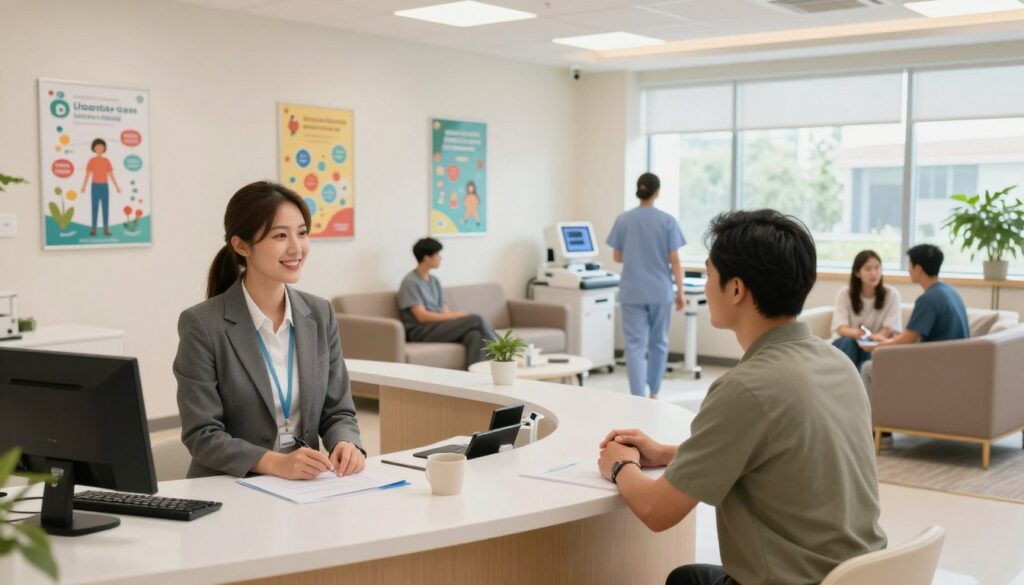
When a non‑life‑threatening problem pops up, finding a local clinic can save hours and reduce stress. These nearby centers focus on same‑day visits and quicker evaluations than the emergency room for many common issues.
Why you’ll often get seen faster than the emergency room
Lower triage complexity means staff handle fewer life‑threatening cases, so waits are shorter. Visit volume and case severity in an emergency setting slow ER throughput.
Typical conditions treated
Examples clinics manage well:
- Sprains and strains that are stable
- Minor infections like ear, throat, or urinary tract
- Minor fractures or simple lacerations needing stitches
- Fever, flu symptoms, and basic respiratory issues
What “minor” means and cost comparisons
“Minor” usually means stable symptoms, manageable pain, and no red flags like trouble breathing or chest pain. For those cases, urgent care centers often charge less than the emergency room.
| Aspect | Typical urgent care result | Emergency room result | What to check |
|---|---|---|---|
| Wait time | Short (walk-ins seen quickly) | Longer (triage for severe cases) | Peak hours and online wait estimates |
| Services | Basic imaging, labs, stitches | Advanced imaging and surgery access | On-site X-ray and lab availability |
| Cost | Lower out-of-pocket costs | Higher facility fees and bills | Insurance coverage and copays |
| When to choose | Stable injuries and illnesses | Severe or life‑threatening emergencies | Symptom severity and progression |
Before you go, bring ID, a list of medications, and allergy info to speed registration. Local care centers like Pulse Health Clinic in Cleveland, Tennessee are a practical first stop for non‑life‑threatening conditions. If symptoms worsen or you have signs of an emergency, head to the emergency room immediately.
Walk-In Clinics and Walk-In Medical Centers for Quick Medical Attention
If you need same-day evaluation but not hospital-level treatment, walk-in options give fast access to basic services.
Best-fit visits: same-day needs that don’t require emergency facilities
Walk-in clinics and centers handle quick, focused visits for minor illnesses and injuries. They are a good choice when you want medical attention without long ER waits.
- Sore throat, mild infections, and simple rashes.
- Minor cuts, sprains, or small wound checks.
- Quick prescriptions, simple tests, and basic screenings.
How walk-in services support your busy schedule
These facilities often use a first-come, first-served flow. Arrive before peak times or call ahead if the location posts wait estimates to reduce time spent waiting.
| Feature | How it helps you | What to expect |
|---|---|---|
| Extended hours | See a provider outside work hours | Evening and weekend visits |
| On-site tests | Faster answers and treatment | Basic labs and rapid results |
| Referrals | When more is needed | Transfer to imaging or specialist |
If you live in Cleveland, Tennessee, consider Pulse Health Clinic when you want prompt evaluation that fits a busy schedule and helps you get care need efficiently.
Retail Health Clinics Inside Pharmacies and Stores
When you need a quick vaccine or screening, a store-based clinic can be a smart stop.
Retail clinic services that often include vaccines, screenings, and minor illness care
Retail clinics inside pharmacies provide walk-in visits for common needs. You can get vaccines, basic screenings, and treatment for minor illness symptoms without an appointment.
Transparent pricing and convenience when you need care fast
Transparent pricing is a big advantage. Many retail locations list fees up front so you avoid surprise bills.
These clinics offer convenience in familiar places, saving time when you combine medical needs with errands.
Where retail clinics fit in your Cleveland, Tennessee plan
Use a retail clinic for routine shots, quick tests, or simple symptoms. If you have more complex signs, choose a same-day clinic or a center with imaging and extended evaluation.
| What they offer | Why it helps you | When to choose instead |
|---|---|---|
| Vaccines & flu shots | Fast protection while you shop | If reaction risk is high, see a clinic with provider follow-up |
| Basic screenings | Quick results for blood pressure or glucose | Use a full clinic for ongoing abnormal results |
| Minor illness visits | Same-day treatment for sore throat or cold | Go elsewhere for severe pain, imaging, or stitches |
Community Health Centers for Affordable, Ongoing Care
For affordable, ongoing healthcare, many people turn to community health centers that emphasize access.
How sliding-scale and access-focused services can help
Community health centers provide low-cost options when insurance or cost is a concern. Some centers use a sliding-scale fee based on income. You may be asked for ID, pay stubs, or a basic income form to determine rates.
Preventive services that reduce future urgent visits
Centers often offer vaccines, screenings, and routine checkups that catch problems early. Regular preventive services lower the chance you’ll need sudden, higher-cost visits later.
When community centers make sense for routine healthcare needs
- Use centers for ongoing prescriptions and follow-ups for managing chronic conditions like hypertension or diabetes.
- Choose them for preventive planning and continuous coordination with specialists when needed.
- For a new or rapidly worsening problem that needs fast imaging or quick diagnostics, consider a local clinic such as Pulse Health Clinic in Cleveland, Tennessee.
Telemedicine and Virtual Doctor Consultations
Virtual visits put a doctor on your screen when you need quick guidance without leaving home.
When telemedicine works best:
- Minor symptoms like sore throat, mild rashes, or simple colds.
- Medication questions or refill requests that do not require a physical exam.
- Quick follow-ups that confirm recovery or adjust treatment.

How remote consults and remote diagnosis happen
Most visits use video, phone, or secure chat. Have your medications, recent vitals, and a short symptom timeline ready.
Clinicians use your history, visual clues, and questions to form a remote diagnosis. If findings are unclear, they’ll recommend an in-person visit.
Online prescriptions and limits
Providers can send online prescriptions for many common drugs. Controlled substances and some treatments require an office visit or follow state rules.
Virtual follow-ups for managing chronic conditions
Telemedicine is great for routine check-ins, adjusting meds, and reviewing test results. It helps you stay on track without taking time off work.
When to switch to in-person attention: worsening symptoms, persistent high fever, trouble breathing, severe dehydration, or new neurological signs. Use virtual visits to get care fast, but choose in-person evaluation when safety demands it.
| Use | Good for | When to go in person |
|---|---|---|
| Quick advice | Minor symptoms, med questions | Severe or worsening symptoms |
| Remote diagnosis | Visual checks, history-based decisions | Need for imaging or hands-on exam |
| Virtual follow-up | Managing chronic conditions, refill checks | New complications or unclear recovery |
24/7 Pharmacy Clinics and Medication Support
Pharmacy-based clinics give you quick access to basic health services when other offices are closed. They fill gaps in evening and late-night hours so you can get prompt attention for routine needs.
What pharmacy clinics can treat and screen for
Typical services include:
- Vaccinations and seasonal shots.
- Basic health screenings like blood pressure and glucose checks.
- Evaluation of minor illness symptoms and simple wound checks.
- Referral guidance to a clinic or emergency facility when needed.
Medication management help when you’ve got questions after hours
Medication management is a big benefit. Pharmacists and clinic clinicians can answer questions about side effects, missed doses, and drug interactions after normal hours.
| When pharmacy clinics work | When to choose a clinic visit instead |
|---|---|
| Routine vaccines, quick screenings, med questions | Worsening symptoms, need for imaging, complex exams |
| Late-night or 24/7 access for simple needs | Persistent high fever, breathing problems, severe pain |
Tip: Use pharmacy services for fast answers and basic treatment, then follow up with a local clinic in Cleveland, Tennessee for more-complete evaluation when needed.
Mobile Health Units and Urgent Care at Home Services
Mobile health units bring basic medical services directly to neighborhoods and community events. These units and at-home visits expand access when travel, timing, or mobility make clinic visits hard.
How mobile medical units improve access in your community
Mobile units bring clinicians, screenings, and vaccines into parks, workplaces, and underserved areas. They help people get preventive services without long trips to a clinic.
Typical services include health screenings, immunizations, basic evaluations, and clear referral pathways when higher-level testing or treatment is needed.
Home healthcare visits for minor injuries and illnesses
At-home visits let a clinician evaluate selected minor injuries and minor illnesses when you cannot travel or are caring for family. These visits reduce waiting and help you follow up more reliably.
Providers who visit homes can treat simple wounds, check fevers, manage minor infections, and arrange lab tests or imaging if in-person diagnostics become necessary.
- When to choose at-home services: mobility limits, young children at home, or symptoms that make travel hard.
- When to go to a clinic: need for X-rays, sutures, or faster diagnostics.
- When to go to the ER: severe breathing trouble, chest pain, heavy bleeding, or sudden neurological changes.
These options reduce delays and improve follow-through, especially for people with transportation barriers. For Cleveland, Tennessee residents, use mobile or at-home visits for convenience, but choose a clinic or the emergency department when you need advanced diagnostics or urgent intervention.
Occupational Health Centers for Work-Related Needs
When your job-related injury or wellness need arises, an occupational health center can get you back to work faster.
Occupational health centers focus on workplace wellness, prompt injury evaluation, and clear return-to-work planning. These centers differ from general clinics because they align visits with employer timelines and documentation requirements.
Workplace wellness, injury evaluation, and return-to-work support
Common services include injury evaluation, drug testing, pre-employment physicals, and work‑restriction notes that match employer rules.
- Quick assessment for strains, minor sprains, and small lacerations—when injuries don’t need advanced imaging.
- Documentation and timelines: clinics often coordinate forms so you and your employer move forward without delays.
- Return-to-work planning that sets safe limits and staged duties handled by trained healthcare professionals.
| Service | Why it helps | When to go elsewhere |
|---|---|---|
| Injury evaluation | Fast treatment and employer documentation | Severe trauma, heavy bleeding, or suspected fractures |
| Drug testing & physicals | Meets employer requirements quickly | Complex medical exams needing specialists |
| Return-to-work plans | Reduces downtime and clarifies restrictions | Ongoing rehabilitation needing specialty care |
Practical benefit: you save time by visiting a center built for workplace needs. If your symptoms suggest a higher-level emergency, seek that level of care right away.
Conclusion
A simple decision rule helps you pick the right medical option fast.
Choose the emergency room for severe, life‑threatening symptoms. For non‑life‑threatening needs, use local clinics, telemedicine, retail or pharmacy services, mobile units, or occupational health to get help sooner and affordably.
You’ll find multiple options that match different situations. Some centers offer speed, others lower cost or after‑hours access. Picking the right place lets you get care without hassle.
When you need to find urgent care, check services offered, estimated wait times, and whether imaging or hands‑on evaluation is required. Build a simple plan for first, second, and when to escalate.
If you want a straightforward local option, schedule an appointment with Pulse Health Clinicy in Cleveland, Tennessee. You’ll find prompt, practical help when your care need calls for it.