
You’re choosing a path that combines medical care with everyday habits. In practical terms, a “testosterone therapy lifestyle” means the small, daily choices you make that shape how you feel on treatment. These choices influence your energy, mood, and how predictable your results are.
This guide will show you how nutrition, training, sleep, stress management, and follow-up labs work with clinical care rather than competing with it. We’ll focus on habits you control and how they support safer, steadier outcomes.
Pulse Health Clinic in Cleveland, Tennessee offers monitored, individualized plans for men who want a structured approach instead of quick fixes. You’ll be encouraged to schedule an appointment later in the post to review symptoms, labs, and risks with a clinician.
Better results usually come from consistency and monitoring — not chasing the highest lab number. For most men, improved energy, stronger training capacity, steadier mood and clearer sexual decision-making are common goals. Your plan should be tailored to your symptoms, labs, and any existing risks.
Key Takeaways
- Daily habits shape how well you respond to treatment and how steady your energy feels.
- Nutrition, exercise, sleep, stress, and follow-up labs all work together with clinical care.
- Pulse Health Clinic in Cleveland, Tennessee provides monitored, individualized care for men.
- Consistency and safety monitoring matter more than chasing high lab numbers.
- Your plan should be personalized based on symptoms, labs, and health risks.
Why Lifestyle Matters When You’re on Testosterone Therapy
Daily habits can amplify or mute the benefits you get from clinical care. How you sleep, train, eat, drink, and manage stress sends signals that affect hormone balance and how you feel each day.
How daily habits influence hormone balance, energy, and sexual function
Sleep quality sets the tone for overnight hormone release and daytime energy. Poor sleep lowers hormone signals and can blunt gains in mood and sex drive.
Training volume matters: too little reduces stimulus, too much raises stress hormones and stalls progress. Nutrition and alcohol change how your body reads and uses hormones.
Why “more testosterone” isn’t the same as better outcomes
Higher levels on a lab sheet don’t guarantee better focus, mood, or relationship outcomes. You’re aiming for symptom relief and safety, not a supraphysiologic number.
Cardiovascular health ties directly to erections and endurance because blood flow and metabolic health matter as much as hormone levels.
- Treat daily habits as part of your overall treatment plan to spot cause-and-effect.
- Unmanaged alcohol use or undiagnosed sleep apnea can amplify risks and hide true progress.
Low Testosterone Basics: What Testosterone Does in Your Body
Understanding what this key hormone does helps explain why symptoms can appear across your whole body. It supports muscle mass, helps regulate where you store fat, and affects overall metabolism.
Muscle mass, body fat, and metabolism
Lower levels can mean less lean muscle and easier fat gain. Reduced muscle changes how your metabolism works and can make fatigue more common.
Bone density and long-term resilience
This hormone helps keep bone strong. Over years, lower levels can reduce bone density and raise fracture risk as you age.
Sex drive, erections, and reproductive health
Libido or sex drive may fall, but erection quality and sperm production involve other signals from the brain (LH/FSH). So sexual symptoms can vary and need careful evaluation.
Mood, focus, and cognitive function
You may notice lower mood, reduced confidence, or trouble concentrating. These often overlap with poor sleep, stress, or illness rather than one single cause.
Normal ranges differ between people, so your symptoms, labs, and health context matter more than a solitary number. Understanding these roles helps you and your clinician figure out what is actually driving your complaints.
Common Symptoms That May Also Point to Low Testosterone
Symptoms often arrive in groups, so organizing what you feel helps guide testing and care. Use this quick checklist to self-audit without assuming every issue is hormonal.
Mind
Depression, reduced confidence, trouble concentrating, and disturbed sleep can cluster together. Sleep disruption both worsens mood and lowers daytime energy, so note timing and severity.
Body
Common body complaints include fatigue, loss of muscle or bone mass, and more body fat. Breast tenderness or swelling can also appear and may reflect changing hormone balance or medication effects.
Sexual
Lower sex drive, fewer spontaneous erections, and erectile dysfunction are important signals. These issues may involve hormones, blood flow, stress, relationship factors, or heart health.
- Fatigue is common but not specific—pair symptoms with proper testing.
- Track when symptoms occur, triggers (sleep, alcohol, stress), and severity to share with your clinician.
- Symptoms guide testing, but lab confirmation is needed for an accurate diagnosis.
Getting the Diagnosis Right Before You Optimize Habits
Start with precise testing so your next steps match what’s actually happening in your body.
Why your blood test should be done in the morning
Testosterone follows a daily rhythm. Draw labs between 7 a.m. and 10 a.m. so the reading reflects peak output. Late-day testing can give a falsely low result and mislead your clinician.
Confirm a low reading with repeat testing
A single low value may come from poor sleep, illness, or an unusual day. Ask for a second blood draw on a different morning before considering long-term treatment.
Repeat testing reduces the chance of starting unnecessary care.
Total vs bioavailable levels and what they change
Total numbers often sit in a commonly cited range of about 300–1,000 ng/dL. Many clinicians flag values under 300 ng/dL as low.
Bioavailable measures adjust for SHBG and albumin. That means your free, usable hormone can be low even when total looks normal. This difference can change whether testosterone replacement therapy is likely to help you.
- Discuss medications, obesity, stress, and sleep apnea as alternate causes of low lab results.
- Consider a broader workup (LH/FSH, SHBG, CBC, sleep evaluation) when symptoms are severe or unclear.
- If you qualify for treatment, monitoring and habits improve safety and outcomes.
| Test | Typical window | Why it matters |
|---|---|---|
| Total testosterone | 7–10 a.m. | Shows overall circulating amount; used with symptoms and repeats |
| Bioavailable/free | 7–10 a.m. | Reflects usable hormone after SHBG/albumin binding |
| Related labs (LH/FSH, SHBG) | Any morning draw | Helps identify primary vs secondary causes and guides treatment choice |
Setting Realistic Expectations for Testosterone Replacement Therapy
Know what to expect: medical replacement can improve energy, drive, and training capacity for many men, but it is not a fountain of youth.

What usually improves and what may not
You can often expect better daytime energy, higher libido, and easier gym progress. Some men see mood gains too.
What may not change: memory, long-term longevity, or full recovery of sexual performance are less predictable. Erectile dysfunction often has mixed causes and may persist despite higher desire.
The “trap” and practical risks to know
When you start replacement therapy, your natural production downshifts. Stopping can leave you feeling worse while your system recovers.
This is why a planned, monitored approach matters. Unrealistic expectations can push men toward higher dosing and added risk from unregulated clinics.
- Frame success as symptom relief with safe lab targets, not as chasing the highest number.
- Commit to follow-up labs and regular visits so adjustments match your goals and reduce risk.
Testosterone Therapy Lifestyle: The Foundation Habits That Support Better Results
Build a simple daily plan that protects your sleep, movement, and meals so small wins add up.
Start with a “minimum effective routine”: choose a short workout you can repeat, three planned meals, and a regular bedtime. This keeps progress steady and reduces burnout.
Consistency over intensity
Consistency usually beats intensity. Short, regular efforts stabilize hormone levels and help you maintain gains while juggling work and family.
Track key measures to spot patterns
Keep a simple log: sleep duration/quality, morning weight trend, workout type, mood/energy, libido, and any side effects.
This record helps you and your clinician tell if changes come from dose adjustments or from triggers like alcohol, poor sleep, or overtraining.
When to adjust habits vs when to call your clinician
Try pacing, walking, or a protein-and-fiber snack for same-day energy. If you see chest pain, severe swelling, breathing changes at night, or major mood shifts, contact care immediately.
| What to track | How often | Why it matters | Action |
|---|---|---|---|
| Sleep duration/quality | Daily | Overnight recovery affects morning levels and energy | Adjust bedtime, seek sleep study if apnea suspected |
| Morning weight | Weekly | Shows fluid shifts and trends in body composition | Review diet, adjust activity |
| Workout type & volume | Per session | Prevents overtraining and guides recovery | Pace training; emphasize large muscle groups |
| Symptoms & mood | Daily notes | Helps separate drug effects from life factors | Share with clinician at follow-ups |
Pulse Health Clinic-style monitoring offers a safe framework to adjust care without guesswork, keeping men safer and more informed.
Nutrition Patterns That Support Testosterone Production and Men’s Health
A food pattern that favors whole foods and healthy fats can help you preserve muscle and protect heart health as you age. That matters because heart health and circulation link directly to sexual function and endurance.
Mediterranean-style eating for balance and cardiovascular protection
Focus on lean proteins, extra virgin olive oil, fatty fish, and a wide variety of plants. This pattern reduces inflammation and supports steady hormone production while protecting the heart.
What to prioritize at each meal
Put protein first to help the body hold onto muscle and support body composition. Add healthy fats like salmon or olive oil and load meals with vegetables and whole grains for fiber and micronutrients.
Vitamin D and smart snacking
Include vitamin D-rich foods—eggs, salmon, and mushrooms—to support bone strength, mood, and normal hormone levels.
Choose snacks that pair fiber and protein, such as Greek yogurt with berries or apple slices with nut butter, to stabilize energy and curb overeating later.
- Grocery staples: canned salmon, eggs, olive oil, beans, nuts, frozen vegetables.
- Simple template: protein + veg + healthy fat at each meal; hydrate regularly.
A food-first approach is safer than unregulated supplements marketed to boost hormones. Rely on whole foods and realistic planning to protect your health and support results.
Training for Hormone Support: Resistance Work, Cardio, and Recovery
A well-structured gym plan helps you keep strength gains and supports steady hormonal response. Targeting big muscle groups gives the best stimulus for strength, posture, and metabolic health over time.
Why big lifts matter
Moderate- to high-intensity work with squats, deadlifts, and presses recruits the most muscle fibers. That boost in demand links to higher morning hormone levels and better body composition for many men.
How to combine strength and cardio
Pair 2–4 resistance sessions per week with 1–3 cardio sessions. This balance protects heart health while improving work capacity and circulation.
Recovery essentials so you stay consistent
- Foundational lifts: barbell or dumbbell squats, bench, rows; scale to machines or bodyweight as needed.
- Plan: progressive overload, scheduled deload weeks, daily protein, hydration, and regular sleep.
- Track: reps, load, resting heart rate, and energy to link training to how you feel.
Warning: overtraining, poor sleep, or excess stress can leave you feeling worse despite hard work. The best plan is one you can repeat week after week without injury or burnout.
Weight, Body Fat, and the Testosterone Cycle Many Men Experience
Excess belly fat and shifting body composition create a feedback loop that can make symptom relief harder to reach. Gaining weight, especially around the midsection, often links with lower hormone levels. That change can make it tougher to lose fat and keep muscle.
How abdominal fat and hormone changes connect
Abdominal fat raises inflammation and alters metabolic signals. That can reduce morning hormone readings and slow production in some men.
Practical ways to break the loop
- Assess progress beyond the scale: track waist measurements, strength gains, energy, and sleep quality.
- Sustainable levers: modest calorie awareness, higher protein at meals, daily steps, and consistent resistance training.
- Expect varied results: weight loss improves levels for some, but not everyone will see full normalization.
Prioritize abdominal fat reduction for both cardiovascular benefit and sexual function support. If you lose weight rapidly, feel unwell, or see worsening symptoms, seek clinician guidance so your plan stays safe and effective.
Sleep Quality, Sleep Apnea, and Overnight Hormone Release
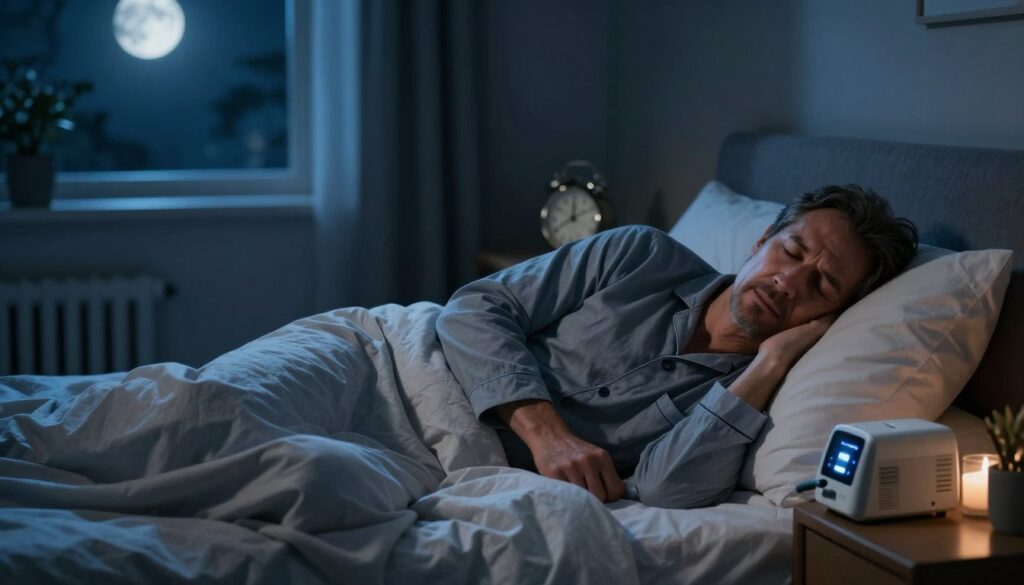
When sleep is fragmented, the body’s nightly hormone release and repair signals weaken. Most of your hormonal pulse happens during deep and REM sleep, so short or broken nights blunt recovery and morning levels.
How nightly rest affects recovery
If you cut sleep short or wake often, overnight hormone output drops. That reduces the signals your body uses to restore muscle, mood, and sexual function.
Targets and simple sleep hygiene
Aim for seven to nine hours with steady bed and wake times. Morning light, a cool dark room, limited alcohol before bed, and a calm wind-down help consistency.
Signs of sleep-disordered breathing to watch for
Common apnea signs include loud snoring, witnessed pauses in breathing, gasping or choking at night, morning headaches, and daytime sleepiness.
| Sign | What it suggests | Next step |
|---|---|---|
| Loud snoring | Possible obstructive apnea | Discuss screening with your clinician |
| Observed pauses | Interrupted breathing and low overnight oxygen | Consider formal sleep testing |
| Daytime sleepiness | Poor restorative sleep and low morning levels | Evaluate for apnea; avoid dose changes until assessed |
Untreated sleep apnea can undermine mood, blood pressure, and sexual health. Because exogenous testosterone can worsen breathing issues in some men, screening and follow-up are important to reduce risk and protect results.
Stress, Cortisol, Libido, and Brain-Body Connection
Stress changes attention and the body’s repair signals, which can reduce desire and make performance harder.
How cortisol alters sexual signaling: chronic stress raises cortisol, and that hormone can blunt normal hormone production and daytime energy. High cortisol shifts your body’s priorities away from repair and reproduction and toward immediate survival.
The brain-body loop matters. Stress pulls your focus away from arousal. Racing thoughts and performance anxiety create a feedback cycle that can cause erectile dysfunction even when labs look acceptable.
Watch for clinical stress signals: persistent irritability, nightly racing thoughts, dread about the day, using alcohol to cope, or endless screen time that replaces sleep. These signs often predict worse mood, lower libido, and reduced focus.
Practical habits you can keep: short 10-minute walks, box breathing for two minutes, brief strength sessions, quick journaling, and a scheduled no-screen wind-down. These actions lower cortisol spikes and improve sleep, mood, and focus.
Treat mood and anxiety as health targets. Seek therapy or coaching when needed—mental health care often restores libido and reduces erectile dysfunction without changing meds. Lowering stress can reveal gains you might otherwise blame on lab numbers.
Alcohol, Smoking, and Environmental Toxins That Can Undermine Results
Everyday exposures—from evening drinks to plastic containers—can quietly blunt your progress and overall health. Reducing these harms helps protect sleep, mood, and sexual function while you improve other habits.
How alcohol harms hormones and sex function
Heavy drinking lowers testosterone levels, reduces sperm count, and impairs erections and libido. It also fragments sleep, which worsens hormone levels and daytime energy.
Practical steps: cut back, avoid drinking near bedtime, and keep intake modest to protect sleep and function.
Smoking and reproductive and vascular harm
Smoking damages sperm quality and narrows blood vessels. That harms reproductive health and reduces erection quality.
Quit support: nicotine replacement, counseling, and clinician help speed recovery and lower long-term disease risk.
Endocrine disruptors: BPA and safer swaps
BPA and some plastics act like hormones and link to lower testosterone levels and fewer sperm. You find BPA in certain bottles and canned linings.
- Use glass or stainless containers.
- Avoid heating food in plastic.
- Choose BPA-free packaging when possible.
| Exposure | Likely effects | Simple swap |
|---|---|---|
| Alcohol (heavy) | Lower levels, poor sleep, reduced sex function | Limit intake; avoid bedtime drinking |
| Smoking | Worse sperm, vascular damage | Nicotine replacement + counseling |
| BPA/plastics | Endocrine effects, lower testosterone | Glass/stainless, no microwaving plastics |
Fewer toxins and smarter choices reduce long-term risk and help your care stay stable. Small swaps often yield measurable gains in energy, sleep, and sexual function.
Sexual Function and Erectile Dysfunction: Supporting Results Beyond Hormones
Erection problems often signal more than a single hormone imbalance; they reflect circulation, nerves, and mood working together. Treating low numbers may raise your sex drive, but it does not always fix the mechanical aspects of an erection.
Cardiovascular links and why blood flow matters
Think of erectile dysfunction as a whole-body signal. Healthy erections need good blood flow, intact nerves, and stable mood. Poor vascular health can show up as erectile dysfunction before other symptoms of heart disease appear.
When desire improves but erections do not
You may notice higher desire while erection quality stays the same. That happens when blood vessel, medication, or anxiety issues drive the problem rather than hormone levels.
Relationship and psychological factors
Stress, performance anxiety, and partner dynamics shape sexual function. Open communication, counseling, and realistic expectations often restore confidence and improve outcomes.
- Address cardiovascular fitness and smoking to help blood flow.
- Optimize sleep and stress to protect overall health.
- Talk with your clinician about ED-specific options before escalating dosing.
| Cause | Common sign | Next step |
|---|---|---|
| Vascular | Gradual onset of erectile problems | Cardio evaluation, circulation testing |
| Psychological | Situational or performance-linked dysfunction | Cognitive therapy, couples counseling |
| Medication or nerve | Sudden change or numbness | Medication review, neurologic exam |
Safety and Side Effects: What to Monitor While You Improve Lifestyle
Know what to watch for so you can spot complications early and keep progress steady. Regular checks help you and your clinician balance benefits and risk as you improve daily habits.
Early, common signs to report
Watch for acne flare-ups, ankle swelling or edema, and breast tenderness or enlargement. Note any new or worsening breathing pauses at night.
Why red blood cell monitoring matters
Clinicians check hemoglobin and hematocrit because rising red blood counts raise clot risk. Periodic blood labs reduce that risk and guide safe dosing.
Prostate follow-up and PSA
PSA monitoring flags prostate changes that need evaluation. If you’re older or have family history, follow recommended PSA schedules and share results promptly.
Heart health and shared decision-making
Recent trials offer reassurance for men with clear deficiency, but heart health and personal risk factors still shape treatment choices. Discuss your cardiac history with your clinician so decisions fit your profile.
- Do not self-adjust dosing or stack supplements; report side effects to care.
- Support safety with hydration, treating sleep apnea, and avoiding smoking or heavy alcohol.
- Seek urgent care for chest pain, severe shortness of breath, or signs of a clot (sudden leg pain, swelling, or confusion).
Fertility, Testicular Atrophy, and Planning Ahead Before or During TRT
If fatherhood is on your timeline, talk with a specialist before beginning medical replacement. This avoids surprises and helps you choose a plan that matches your reproductive goals.
How external hormones affect sperm and testicles: Taking external testosterone commonly suppresses pituitary signals (LH and FSH). That reduces intratesticular stimulation and sperm production. Over time, reduced stimulation can cause testicular shrinkage—an expected biological response, not a personal failing.
Who needs alternative approaches
If you want children now or later, discuss options before starting therapy. Specialists may use medications such as clomiphene or hCG to support endogenous production while managing symptoms.
- Decision checkpoint: consider sperm banking or a formal fertility evaluation if you plan children.
- Recovery: fertility often improves after stopping replacement, sometimes with medical aid, but timelines vary.
- Personalize care: one-size-fits-all protocols risk harming future fertility—your goals must guide treatment choices.
Next step: coordinate labs, symptom tracking, and family-planning priorities with a monitored clinic so your care protects both health and fertility.
Working With a Local Expert: Pulse Health Clinic in Cleveland, Tennessee
Choose care that pairs clear goals with regular checks so you avoid guesswork. At Pulse Health Clinic in Cleveland, Tennessee, clinicians build a plan around your symptoms, goals, and daily tracking.
What a monitored plan should include
Symptom review and goal-setting at intake so the focus is on how you feel, not just a single number.
Morning blood testing and repeat confirmation give accurate levels and reduce unnecessary starts. Measuring bioavailable values prevents overtreatment.
Follow-ups and how they protect you
Regular follow-up visits check levels, review side effects, and monitor PSA and hemoglobin/hematocrit for safety.
Conservative dosing avoids excessive increases that can raise side effects and prostate concerns.
| Check | Timing | Purpose |
|---|---|---|
| Morning labs | 7–10 a.m. | Accurate baseline and repeat comparison |
| PSA & hematocrit | Routine | Safety monitoring |
| Symptom log review | Each visit | Adjust treatment and habits |
Bring your tracking data—sleep, workouts, alcohol, and symptom notes—to speed precise adjustments. A local, monitored approach blends medical oversight with real-life changes so your replacement therapy and care stay safe and effective over the long term.
Conclusion
Wrapping care around measured testing and predictable routines helps you get safer, more reliable results.
Start with accurate morning labs and a repeat test so you treat the true cause of your symptoms. Combine that with steady sleep, resistance training, weight management, and a Mediterranean-style eating pattern to support better energy and body composition for many men.
Set realistic expectations: treatment can improve drive and strength, but erectile problems or mood issues may also need heart checks, counseling, or relationship work.
Safety matters: regular monitoring of blood counts, PSA, and side effects is part of responsible care—not optional.
If you want a monitored, personalized plan in Cleveland, Tennessee, schedule an appointment with Pulse Health Clinicy to review your symptoms, labs, and next steps.