Looking for a health path that fits you? At Pulse Health in Cleveland, TN, we think medical weight loss should be personal. It should be clear and not tied to old insurance rules.
More people are looking into semaglutide or tirzepatide for their health. These options mimic natural hormones. They help control hunger and blood sugar levels well.
Choosing the right way depends on your health and goals. Our team offers evidence-based care. We help you reach your goals in a supportive, direct-pay setting.
We aim to give you clear guidance and support. By avoiding insurance limits, we keep your care focused on your success and health.
Key Takeaways
- Pulse Health offers personalized, direct-pay care in Cleveland, TN.
- Treatments like semaglutide and tirzepatide assist with appetite regulation.
- Every plan is tailored to your specific health history and wellness goals.
- We prioritize evidence-based methods over insurance-driven restrictions.
- Transparent pricing ensures you know exactly what to expect from your care.
Understanding GLP-1 Medications: An Overview
To understand the impact of weight management therapies, you need to know how they work. Modern medicine offers new ways to support your body’s natural systems. By learning how these treatments affect your body’s chemistry, you can make better choices for your health.
What Does GLP-1 Stand For?
Glucagon-like peptide-1 is a hormone your body makes naturally. It’s mainly produced in the gut when you eat. This hormone is key to your digestive and metabolic health.
When you eat, your body releases this peptide to help process nutrients. It signals to your body how to handle the food you eat. Knowing this natural process helps understand how a GLP-1 medication can help keep things balanced.
How Do GLP-1 Medications Work?
A GLP-1 receptor agonist works like the natural hormone. It binds to receptors, helping your pancreas release the right insulin when blood sugar goes up. This is crucial for keeping blood sugar stable all day.
These treatments also reduce glucagon release, which raises blood sugar. They slow down how fast food leaves your stomach. This makes you feel full longer, which is important for appetite regulation.
These actions aren’t magic fixes. Instead, they offer a structured approach to health by affecting hunger signals in your brain. With regular appetite regulation, a GLP-1 receptor agonist can be a strong ally when you also make healthy lifestyle choices.
Key Benefits of GLP-1 Medications
Looking at GLP-1 medication is key to a full health plan. At Pulse Health, we think lasting results come from a mix of medical help, diet advice, and regular exercise. These treatments are meant to support your health plan, not replace it.
Weight Loss and Its Importance
This weight loss medication helps control hunger. It works with your brain to make you feel full, making it easier to stick to a diet. This is a big part of successful medical weight loss, helping you develop healthy habits without constant hunger.
Getting to a healthier weight can greatly improve your life. It can ease joint pain, help you sleep better, and boost heart health. By adding this to your daily life, you’re not just losing weight; you’re investing in your future health.
Improvements in Blood Sugar Levels
The link between diabetes and weight loss is strong. GLP-1 treatments help keep your blood sugar stable by boosting insulin and controlling glucagon. This is great for managing metabolic health.
This approach is good for your body’s glucose control. It can also improve kidney and liver health. Regular check-ups help make sure your treatment is working well. Using GLP-1 medication in a complete program helps you make lasting lifestyle changes.
Common GLP-1 Medications Available
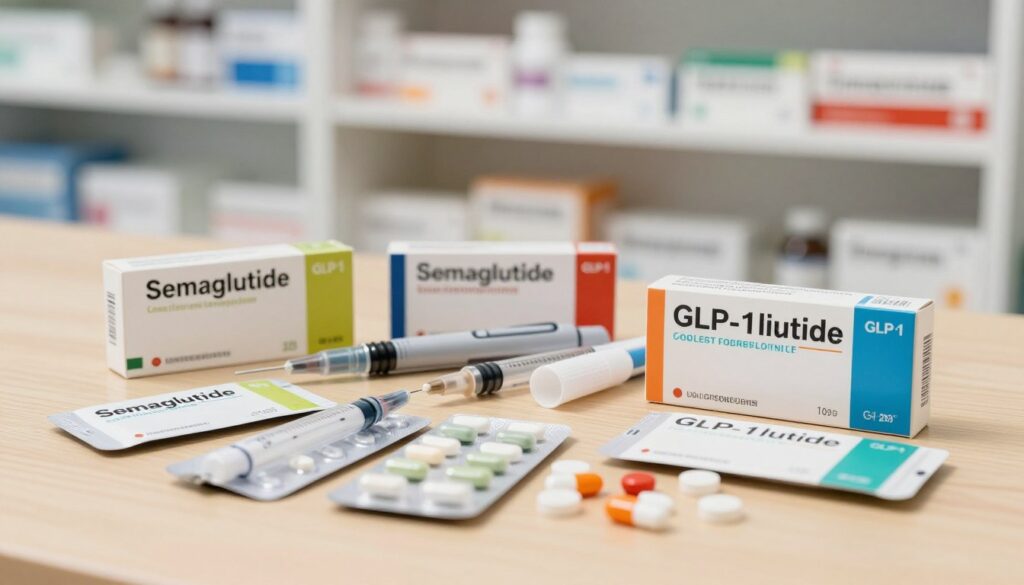
Exploring weight management and metabolic health, you’ll find many drugs. The right GLP-1 medication for you depends on your health history, not just what’s popular.
Your doctor will look at your health goals, medical history, and lifestyle. They’ll choose the best option for you. Some drugs work on the GLP-1 receptor alone, while others affect metabolism in two ways.
Semaglutide: A Popular Choice
Semaglutide mimics the GLP-1 hormone to control hunger and blood sugar. It makes you feel full longer after eating.
It’s easy to use because you only need to take it once a week. Doctors often prescribe it for type 2 diabetes and weight management, depending on the version.
Liraglutide: Another Effective Option
Liraglutide is a well-known tool for metabolic health. It’s given daily, not weekly like some newer drugs.
Its daily routine is good for those who like a steady treatment plan. It’s a reliable choice for better blood sugar control and weight loss.
Dulaglutide: An Alternative Perspective
Dulaglutide offers a weekly option for type 2 diabetes management. It’s simpler than daily injections.
It works like other GLP-1 drugs but your doctor might choose it for your specific needs. It’s important to talk about how it fits with your health goals.
Tirzepatide is a big step forward. It works on both GLP-1 and GIP receptors, which could offer a broader effect on your metabolism.
| Medication | Primary Mechanism | Dosing Frequency |
|---|---|---|
| Semaglutide | GLP-1 Receptor Agonist | Weekly |
| Tirzepatide | GLP-1 & GIP Agonist | Weekly |
| Liraglutide | GLP-1 Receptor Agonist | Daily |
| Dulaglutide | GLP-1 Receptor Agonist | Weekly |
Choosing between semaglutide, tirzepatide, or other drugs is a team effort. Your doctor will use your health data to find the best option for you.
Who Can Benefit from GLP-1 Medications?
Figuring out if you need GLP-1 medication is all about your health. At Pulse Health, we look at your medical history, current meds, and future health goals. We make sure your treatment fits you perfectly, not everyone else.
Type 2 Diabetes Patients
For many, Type 2 diabetes care goes beyond just diet and exercise. These meds help your body manage blood sugar better. This can lead to better metabolic health and less stress on your body.
Your doctor will check your blood work and history to see if these meds are right for you. Regular checks are key to keeping treatment safe and effective for you.
Individuals Struggling with Obesity
If you’ve had trouble losing weight, you might benefit from obesity treatment. BMI is just one part of the picture. We consider your overall health and any weight-related issues that affect your life.
This medication is meant to help, not replace, healthy habits. It works best with a balanced diet and regular exercise. Here’s how different health profiles are evaluated for these treatments:
| Patient Profile | Primary Focus | Clinical Goal |
|---|---|---|
| Type 2 Diabetes | Glucose Regulation | Improved A1C Levels |
| Obesity | Weight Management | Sustainable Health |
| Combined Needs | Diabetes and weight loss | Holistic Wellness |
Potential Side Effects of GLP-1 Medications
Understanding how your body reacts to new medicines is key. GLP-1 medication is known for its benefits, but knowing about possible side effects is important. Staying alert and talking to your doctor helps you manage your health well.
Gastrointestinal Symptoms
The most common GLP-1 side effects affect your stomach. You might feel nauseous, vomit, have diarrhea, or constipation at first. For many, nausea from semaglutide or similar drugs is short-lived as your body gets used to it.
Your doctor might suggest starting with a small dose and gradually increasing it. This helps your body adjust better to the medicine. Always stick to your doctor’s advice on how to take your medicine to avoid discomfort and get the best results.
Risk of Pancreatitis
Though rare, there’s a chance of pancreatitis with these treatments. Pancreatitis is a serious inflammation of the pancreas that needs quick medical help. Before starting, your doctor will look at your health history to check your pancreatitis risk.
Never change your dosage on your own or follow advice from unknown sources. If you have severe stomach pain that spreads to your back, call your doctor right away. Talking openly with your healthcare team is the safest way to handle your treatment.
| Symptom Type | Common Manifestation | Management Strategy |
|---|---|---|
| Gastrointestinal | Nausea or Indigestion | Eat smaller, frequent meals |
| Digestive | Constipation | Increase fiber and hydration |
| Systemic | Abdominal Discomfort | Follow gradual dose titration |
| Serious | Persistent Pain | Consult your doctor immediately |
Lifestyle Changes to Enhance GLP-1 Effectiveness

GLP-1 medication is a powerful tool for weight management. But, your lifestyle choices are the foundation for long-term success. Adding supportive habits to your daily routine maximizes the benefits of your treatment plan.
By making sustainable changes, you pave the way for lasting health. This goes beyond just clinical intervention.
Importance of Diet
Choosing a healthy diet for GLP-1 therapy is key for managing side effects. These medications slow down how fast food leaves your stomach. This can make you feel less hungry.
It’s important to eat nutrient-dense foods in smaller portions. This helps your body get the fuel it needs.
Focusing on protein intake is vital to keep muscle mass while losing weight. Drinking plenty of water also helps with digestion and metabolism. Here are some nutritional tips:
- Eat lean proteins like chicken, fish, tofu, or legumes in every meal.
- Add fiber-rich vegetables to support digestive health.
- Eat smaller, more frequent meals to avoid discomfort.
- Drink water steadily throughout the day to stay hydrated.
Exercising Regularly
Adding exercise for weight loss is key to a well-rounded wellness plan. When using semaglutide or similar treatments, exercise helps keep muscle mass. This is important for a healthy metabolism.
Regular exercise also boosts heart health and mobility. You don’t need to start with hard workouts to see results. A mix of resistance training and aerobic activities is best.
Resistance exercises, like lifting weights or using bands, keep muscles strong. Aerobic activities, like walking or swimming, improve heart health and stamina.
Remember, consistency is more important than intensity when starting to exercise. Whether using semaglutide or another GLP-1 medication, find activities you enjoy. This makes it easier to keep up with your routine. Always listen to your body and adjust your activities based on how you feel.
How to Get Prescribed GLP-1 Medications
Your journey to better health starts with a doctor’s check-up. Getting a GLP-1 receptor agonist is a big step. It’s important to think about your health now and what you want for the future.
Consulting with Healthcare Providers
Looking into medical weight loss? It’s key to find a doctor who really gets you. At Pulse Health in Cleveland, TN, they offer a direct-pay model. This means no insurance hassles.
This model lets you talk openly with your doctor. You can focus on care that really fits your health needs.
Assessment and Diagnosis
Before getting a prescription GLP-1, your doctor will look at your health history. They make sure the GLP-1 medication is right for you.
Your doctor will check your weight, BMI, and blood sugar. They’ll also look for any health risks. This helps make sure the weight loss medication is safe for you.
| Feature | Traditional Insurance Model | Pulse Health Direct-Pay |
|---|---|---|
| Consultation Focus | Insurance-defined criteria | Personalized health goals |
| Approval Process | Lengthy prior authorizations | Evidence-based clinical review |
| Transparency | Often limited by coverage | Direct and open communication |
| Access | Restricted by plan tiers | Flexible, patient-centered care |
A prescription GLP-1 is given carefully. Only when a doctor thinks it’s right for you. This careful approach to medical weight loss means you get top-notch care.
Monitoring and Adjusting GLP-1 Treatment
Your journey to better health starts with regular check-ups and watching how your body reacts to treatment. Starting GLP-1 medication is just the first step in a long-term partnership with your health. Good GLP-1 treatment monitoring helps your body adjust safely as you reach your health goals.
Regular Check-ups and Tests
Seeing your doctor regularly is key to tracking your progress. Your doctor will check your weight, blood sugar, and metabolic health. It’s important to share how you feel every day to catch any problems early.
Your doctor will also check if you’re drinking enough water and eating well. They might do blood tests to see how your kidneys are doing or other important health markers. These visits help make sure your treatment is working right for you.
| Monitoring Metric | Frequency | Purpose |
|---|---|---|
| Blood Glucose | Daily/Weekly | Track glycemic control |
| Weight Trends | Weekly | Assess metabolic response |
| Side Effects | Ongoing | Manage gastrointestinal comfort |
| Hydration Status | Monthly | Prevent dehydration risks |
Adjusting Dosages as Needed
Finding the right semaglutide dosage or tirzepatide dosage is a careful process. Always talk to your doctor before changing your dose. Taking too much too fast can cause stomach problems.
Your doctor will slowly increase your dose to find what works best for you. If you think about stopping treatment, talk to your doctor first. This is very important for people with Type 2 diabetes, as sudden changes can affect your appetite or blood sugar.
Conclusion: Is GLP-1 Medication Right for You?
Choosing a treatment plan means understanding your health needs well. Every person reacts differently to treatments. So, it’s key to get advice from experts.
Evaluating Your Treatment Options
Choosing the right GLP-1 medication depends on your health history and goals. Options like tirzepatide can help with blood sugar and weight loss. Your doctor will help pick the best option for you.
Prioritizing Your Wellness Journey
Talking openly with your doctor is the most important part of your care. Discussing your diabetes and weight loss goals is essential. This ensures your treatment is safe and works well for you.
Pulse Health in Cleveland, TN, offers the care you need to make smart choices. Our team gives clear advice to guide you on your health journey. Contact us today to talk about care that’s right for you.