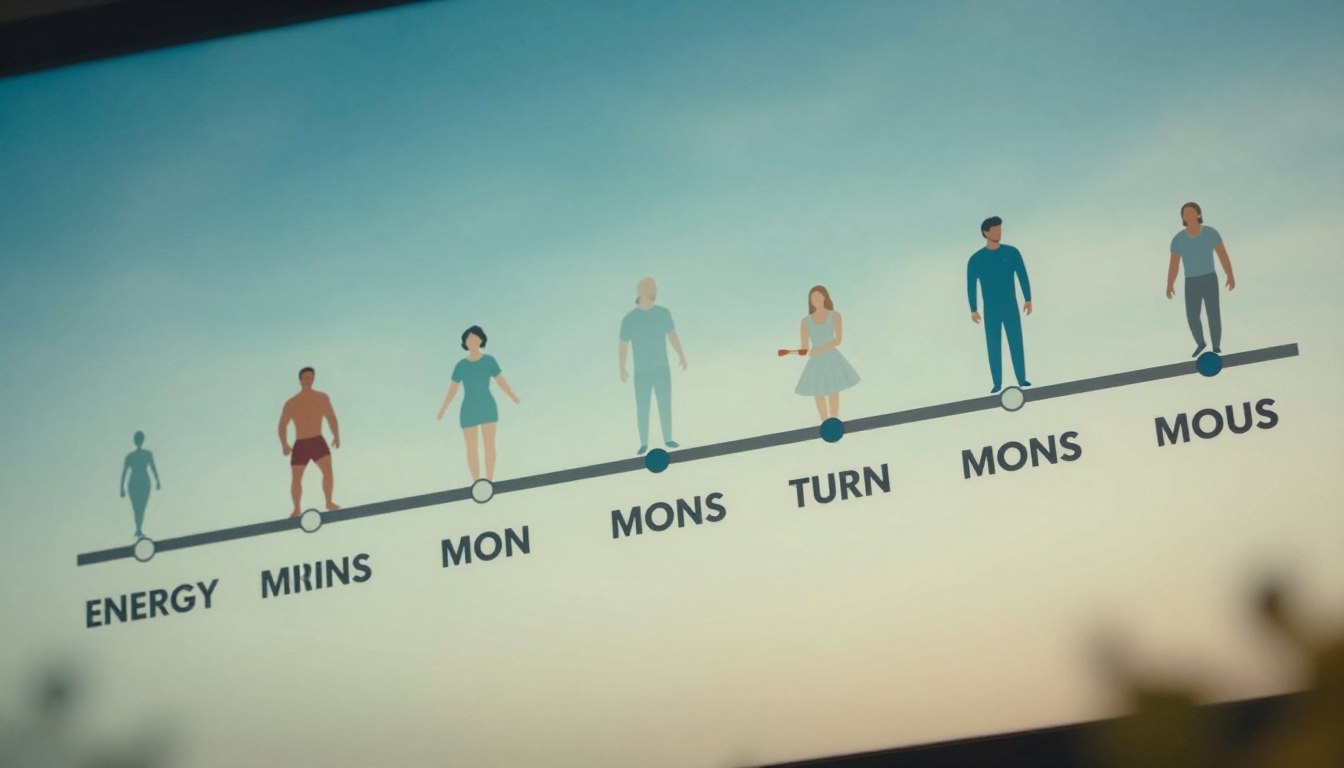
Starting hormone replacement therapy is a big step towards feeling better. Many men wonder when they’ll see changes. It’s key to know that these TRT results come slowly, not right away.
At Pulse Health in Cleveland, TN, we offer care that’s just for you. We skip the insurance hassle and focus on your health. Your path to more energy, better mood, and strength is a journey. It needs regular checks.
Key Takeaways
- Hormone therapy improvements show up in stages over weeks or months.
- First changes might be better sleep and mood.
- Changes in body shape and muscle take longer.
- Pulse Health provides direct-pay, customized care for your needs.
- How you respond depends on your health and treatment choice.
Understanding Testosterone Replacement Therapy (TRT)
Dealing with low testosterone can be tough. It’s important to know that real medical help is different from over-the-counter supplements. At Pulse Health, we focus on evidence-based treatment that’s backed by science, not just marketing.
What is TRT?
Testosterone replacement therapy is for people with hormone deficiencies. It’s not like generic boosters. This hormone therapy is made just for you, based on your blood work. Working with a skilled doctor makes sure your treatment is safe and works well.
It’s key to have clear low T treatment expectations at the start. Because everyone’s different, your treatment is tailored to your needs. This way, you avoid generic solutions that often don’t work.
How Does TRT Work?
The main aim of this therapy is to get your hormone levels right. When testosterone is low, it can affect your energy, mood, and body. Your doctor uses methods like injections, gels, or patches to help your body get back in balance.
Having a doctor watch over you is key to TRT success. They’ll check your progress and adjust your treatment as needed. This careful approach makes sure you get the right amount of support without risks.
Factors Influencing TRT Effectiveness
Reaching your health goals needs a personalized approach to hormone therapy. At Pulse Health, we know that one size doesn’t fit all. Our team looks at your symptoms, lab results, health history, and wellness goals before suggesting a plan.
We focus on direct-pay care to make decisions based on your needs, not insurance rules. This lets us tailor your care to manage your low T treatment expectations well.
Your Age and Health Status
Your age and health status affect how your body takes testosterone. Younger people might see changes faster, while those with health issues need a slower approach. Comprehensive health assessments help make sure your treatment fits your body’s ability to change.
Type of TRT Treatment Used
Today, there are many testosterone treatment options available. You can choose between injections, topical gels, or subcutaneous pellets. Each method affects how quickly your hormone levels adjust in your blood.
Dosage and Administration
Finding the right TRT dosage is a careful process. It’s more important to keep a consistent schedule than to rush for quick results. We use regular lab tests to check your progress and adjust your treatment as needed for the best health outcomes.
Initial Changes You May Experience
Starting hormone replacement therapy can be exciting and a bit uncertain. It’s key to have realistic low T treatment expectations at the start. Everyone reacts differently, so your testosterone therapy timeline might not be the same as others.
Keeping a journal of your symptoms can help your healthcare team. It helps separate treatment effects from other factors like sleep and diet. If you notice big changes, talk to your Pulse Health provider right away.
Physical Changes
In the early weeks, you might feel more energetic and able to handle daily tasks. While building muscle takes time and effort, you might recover faster from workouts. These changes happen slowly.
Many people feel more alive in the first month of treatment. But remember, these changes are part of a long process. Sticking to your treatment plan is key to reaching your health goals.
Emotional and Mental Changes
Soon after starting, you might notice better mental clarity and mood. You could feel more focused and emotionally stable. These signs show your body is responding well to the therapy.
Feeling more motivated can help you stick to your wellness goals. While these mental benefits are great, they’re just part of the picture. Talking to your doctor regularly helps ensure you’re on the right path to good health.
| Category | Early Expectations | Long-Term TRT Results |
|---|---|---|
| Energy Levels | Subtle, gradual increase | Sustained daily vitality |
| Mental Focus | Improved clarity | Consistent cognitive sharpness |
| Physical Recovery | Reduced soreness | Enhanced muscle definition |
| Mood Stability | Less irritability | Balanced emotional health |
Timeframe for Results in Different Areas
Knowing the testosterone therapy timeline helps set realistic goals. It’s key to remember that how long does TRT take to work varies. This depends on your body and the symptoms you’re treating.
Small changes might show up in the first few weeks. But, big changes take months of treatment. Keeping track of your progress helps you see how your life is improving.
Energy Levels
One of the first things you might notice is better energy levels on TRT. Many feel more awake and less tired in the first three to four weeks.
This energy boost helps you do more in your daily life and work. Regular hormone levels help your body recover faster. This keeps you feeling energetic all day.
Muscle Mass Gain
Seeing muscle gain on TRT takes time and effort. You might feel stronger right away, but real changes in your body take three to six months.
Remember, hormone therapy alone won’t build muscle. To see the best results, combine it with:
- A structured resistance training program.
- A balanced, protein-rich diet.
- Consistent sleep patterns to aid muscle recovery.
Libido and Sexual Function
Changes in libido on TRT often start within a few weeks. You might feel more interested in sex as your hormone levels get back to normal.
But, better erections can be more complex. Erections depend on blood flow, nerves, and your mind.
If your erections don’t improve, talk to your doctor. They might check other health issues. Treating these along with hormone therapy can lead to better results.
| Area of Improvement | Typical Onset | Full Effect |
|---|---|---|
| Energy Levels | 3-4 Weeks | 3-6 Months |
| Libido | 3-6 Weeks | 6 Months |
| Muscle Mass | 3 Months | 6-12 Months |
Long-Term Effects of TRT

Starting hormone therapy is just the beginning. It’s a long journey that goes beyond the first few weeks. At Pulse Health, we focus on your safety and realistic goals. We also make sure to monitor your progress closely.
Sustained Energy Levels
At first, you might feel a quick energy boost. But the real benefit comes later. Your body adjusts and finds a new energy baseline. This helps you stay productive and active every day.
Overall Well-Being
Your testosterone therapy outcomes are about more than just muscle. We watch your metabolism, bone health, and heart health. This way, you can live a better life for years.
Impact on Mood
Many people find that therapy improves their mood. It helps you feel more mentally clear and balanced. Regular check-ups keep your mental health a top priority.
| Metric | Short-Term (0-3 Months) | Long-Term (6+ Months) |
|---|---|---|
| Energy Levels | Initial fluctuations | Stable, consistent vitality |
| Metabolic Health | Early adjustment phase | Improved markers and bone density |
| Mood Stability | Variable emotional response | Enhanced clarity and focus |
| Monitoring | Frequent lab testing | Evidence-based maintenance |
Your TRT results are best seen over time. Working with your healthcare provider helps you adjust your therapy. This way, it keeps supporting your health goals.
Common Myths About TRT
Understanding hormone health means knowing what’s real and what’s not. When you start looking into treatments, you’ll find many TRT myths. It’s key to know how treatments really work.
“TRT Works Overnight”
Many think TRT works overnight. They hope to feel better right away. But, fixing hormone levels takes time and patience.
It’s important to have the right low T treatment expectations. Your body adjusts slowly to new hormones. Expecting quick fixes can cause frustration.
“Only Older Men Need TRT”
Some think hormone issues are only for older men. But, low testosterone in younger men is real. Symptoms like tiredness or low sex drive can happen at any age.
At Pulse Health, we look at your symptoms and blood work, not just your age. Many things, like stress or sleep, can make you feel like you have low testosterone. A detailed check-up helps us give you the right treatment.
| Myth | Clinical Reality | Patient Focus |
|---|---|---|
| TRT provides instant results | Hormone balance takes time | Patience and consistency |
| Only seniors need treatment | Age is not the only factor | Individualized blood testing |
| Symptoms are always low T | Lifestyle impacts hormones | Holistic health evaluation |
Monitoring Your Progress
Your treatment is a journey that changes as your body responds. Consistent oversight is key to a successful hormone replacement journey. It keeps your health at the forefront of the testosterone therapy timeline.
Regular Check-Ups with Your Doctor
Your first follow-up is usually six to eight weeks after starting treatment. This is a critical time to check your TRT results and see if your dosage needs to change.
At these visits, your doctor will review your symptoms. They’ll check how you’re feeling physically and mentally. Pulse Health’s direct-pay model makes it easy to keep up with your health goals without insurance worries.
Blood Tests and Hormone Levels
Objective data is as important as how you feel every day. TRT monitoring uses blood tests to make sure your body is safe under treatment.
Your doctor will order specific testosterone blood tests to track your progress. These tests keep your hormone levels in a healthy range and watch important safety markers.
- Baseline testing: Sets your starting point before treatment starts.
- Safety markers: Tracks red blood cell counts and other vital health indicators.
- Dose optimization: Uses lab data to fine-tune your protocol for maximum benefit.
- Personalized schedules: Adjusts testing frequency based on your age, medical history, and specific symptoms.
By combining clinical expertise with regular lab analysis, you can be sure your treatment is safe and effective. Staying proactive with your check-ups helps you make informed decisions about your long-term health.
Lifestyle Factors That Support TRT
Hormone replacement is powerful, but your lifestyle is the foundation for long-term success. Think of your treatment as part of a bigger picture. This includes nutrition, movement, and rest. A holistic approach to TRT lifestyle support ensures your body responds well to therapy.
Your doctor might suggest medical weight loss programs for better metabolic health. When it’s right, semaglutide or tirzepatide can help you reach your body goals. These tools work best with good habits.
Importance of Nutrition
Right nutrients are key for hormonal balance. Focus on high-quality protein, healthy fats, and complex carbs. These are what your body needs to make hormones.
Drinking enough water is also important for your metabolism. Try to avoid too much sugar and alcohol, as they can harm your hormones. Sticking to a diet helps keep the benefits of your treatment.
Exercise and Physical Activity
Exercise and TRT go hand in hand. Physical activity helps your body use hormones better. Resistance training is great because it builds muscle and strengthens bones.
Regular movement, like walking, keeps your metabolism up all day. Staying active supports the body changes from hormone therapy. Strength training is the best way to get physical benefits.
Sleep Hygiene
Quality sleep and testosterone are closely linked. Your body does most hormone regulation while you sleep. Bad sleep can undo the good of your treatment by raising stress hormones like cortisol.
Make your sleep area relaxing by avoiding screens before bed and keeping it cool and dark. Reducing daily stress through mindfulness or light activity also helps sleep. Getting enough rest is essential for your health journey.
Potential Side Effects of TRT
Understanding the side effects of TRT is key to your health journey. Many men see big improvements in their life quality. But, it’s important to know how your body might react to hormone therapy.
Talking openly with your doctor helps manage any changes. Never change your dosage on your own. This can lead to unwanted side effects.
Common Side Effects
Some people notice mild physical changes as their body adjusts. Common TRT side effects include acne or oily skin at first.
You might also feel fluid retention or have reactions at the injection site. Some patients report mood changes as their system stabilizes. These symptoms usually get better as your body adjusts.
Serious Health Risks
While most patients do well, there are serious testosterone therapy risks. One big concern is elevated hematocrit, which means more red blood cells and thicker blood.
Your doctor will check your blood regularly to keep your heart healthy. They also watch your prostate health with PSA monitoring.
Changes in blood pressure and cholesterol levels can happen too. Regular check-ups are a must. Working closely with your doctor helps avoid these risks and keeps you focused on your health goals.
The Role of a Healthcare Professional

Finding the right medical partner is key to hormonal balance. You need a hormone therapy specialist who treats your health as unique. They should focus on your specific needs, not just follow a generic plan.
In Cleveland, TN, you can find specialized care that avoids insurance hassles. Pulse Health is a direct-pay men’s health clinic that offers personalized TRT care. This means you get the time and attention needed for your hormone levels.
How to Choose a Specialist
Look for a TRT doctor who emphasizes detailed diagnostic testing. A good provider won’t just prescribe hormones based on a quick chat or one symptom. They’ll do thorough blood work and review your medical history first.
Choose a clinic that values long-term monitoring and regular check-ups. A dedicated men’s health clinic will adjust your treatment based on how you respond. This careful approach is key to your health and safety.
Important Questions to Ask Your Doctor
It’s important to ask direct questions during your consultation. This helps you build a strong relationship with your TRT doctor and keeps you involved in your health. Here are some questions to ask about your personalized TRT care:
- What specific diagnostic tests will you use to determine my baseline hormone levels?
- How do you decide on the initial dosage, and what is your process for making future adjustments?
- What are the possible side effects, and how do you watch for them during treatment?
- How will this therapy affect my fertility, and what can we do to protect it?
- What is the total cost of treatment, including follow-up visits and lab tests?
Choosing a hormone therapy specialist who is open about these details is important. Whether you’re in Cleveland, TN or elsewhere, pick a provider who listens and respects your health goals. Your well-being is the ultimate priority in this journey.
Preparing for Your TRT Journey
Your journey toward better health starts with a well-organized approach to your initial medical consultation. Taking the time to prepare effectively ensures that your provider can create a strategy that truly fits your unique physiology and lifestyle needs.
Initial Consultation Checklist
When you arrive for your TRT consultation, being organized helps your medical team provide the best care possible. At Pulse Health, our specialists conduct a thorough review of your medical history, current symptoms, and personal health goals before moving forward with any treatment planning.
To make the most of your visit, please have the following information ready:
- A detailed list of your current symptoms and when you first noticed them.
- Your complete medical history, including any past surgeries or chronic conditions.
- A list of all medications, vitamins, or supplements you currently take.
- Relevant family health history that might impact your hormonal health.
- Specific, measurable goals you hope to achieve through therapy.
Setting Realistic Expectations
Understanding the testosterone therapy timeline is essential for long-term success. It is important to recognize that improvements are often gradual and vary significantly from person to person.
Before starting, your doctor will perform baseline testosterone testing. This step is critical because it provides a reference point to interpret your future progress and helps rule out other underlying causes for your fatigue or mood changes.
Managing your low T treatment expectations means acknowledging that medication is only one piece of the puzzle. For the best results, you must also commit to healthy habits, including proper nutrition, consistent exercise, quality sleep, and effective stress management. Consistency is the key to unlocking the full benefits of your personalized care plan.
TRT and Your Mental Health
Hormone therapy can affect your mood, but it’s not a fix for all emotional issues. It’s key to have a realistic view of your mental health. Low testosterone might link to certain mood changes, but it doesn’t solve all emotional problems.
Mental health is complex, and symptoms can come from many sources. Always get a full check-up from a skilled professional. This ensures you get the right help for your needs.
Mental Clarity and Focus
Many people say their mental clarity gets better when hormone levels are stable. Low testosterone can cause brain fog or lack of motivation, making daily tasks hard. Getting these levels right can sometimes clear the mental haze, improving focus.
But, don’t think this means you’ll automatically get better mentally. If you’re not focusing well, even with treatment, other things like sleep or stress might be the main issue. Keeping track of how you’re doing helps figure out what’s really helping you.
Managing Anxiety and Depression
The connection between mood and testosterone is complex and varies from person to person. Some men might feel less irritable or sad, but anxiety and depression are serious conditions. They often need more than just hormone changes. This might include therapy, counseling, or special medication.
If you’re feeling really down or have mood swings, get help right away. Don’t try to handle these feelings by changing your hormone doses without a doctor’s say-so. Your safety and well-being depend on a complete approach to your mental health.
| Symptom Category | Potential Low T Link | Other Possible Causes |
|---|---|---|
| Brain Fog | High probability | Sleep apnea, stress |
| Irritability | Moderate probability | Lifestyle, diet, anxiety |
| Low Motivation | High probability | Depression, burnout |
| Mood Swings | Moderate probability | Hormonal imbalance, trauma |
Cost and Accessibility of TRT
When you think about hormone therapy, the cost is more than just the medicine. You need to think about the hormone therapy cost. This includes the first visit, lab tests, medicine, supplies, and follow-up care.
Knowing these costs helps you avoid surprises. It’s also key to think about the long-term cost of your care.
Insurance Coverage and Options
Getting insurance for hormone therapy can be tricky. Many plans have rules that might limit your treatment or how often you can get checked.
Your insurance might need a lot of paperwork or only cover certain treatments. This can slow down when you can start your treatment.
Affordable Alternatives
A direct-pay medical clinic might be a better choice. Places like Pulse Health in Cleveland, TN offer clear prices. This way, you can plan your budget without worrying about insurance rules.
Choosing an affordable TRT provider doesn’t mean you’re getting less care. It means you can work closely with your doctor. Your health goals will be the main focus.
- Transparency: You’ll know what you’re paying for before you go.
- Efficiency: Direct-pay clinics often have less waiting time.
- Personalization: Your treatment will be based on your needs, not insurance rules.
When looking at your options, think about how different models affect your TRT cost and experience:
| Feature | Traditional Insurance | Direct-Pay Clinic |
|---|---|---|
| Pricing Transparency | Often unclear | Highly transparent |
| Treatment Flexibility | Limited by policy | Clinically driven |
| Administrative Burden | High | Low |
Ultimately, finding affordable TRT in Cleveland, TN is about finding a partner who cares about your health. A direct-pay medical clinic offers a way to keep your TRT cost steady. This lets you focus on your health for the long term.
Success Stories and Testimonials
Everyone reacts differently to treatment. Hearing about others’ experiences can offer insight. Yet, remember that personal anecdotes can’t replace scientific data.
Patient Experiences
Many share their patient TRT experiences to support others. These stories often talk about feeling more alive and happier. But, these TRT success stories shouldn’t promise your exact results.
What happens with testosterone therapy varies a lot. It depends on your health, the treatment, and lifestyle changes. See these stories as examples of what might be possible, not a sure path for you.
Expert Opinions
Getting expert TRT guidance is key. Doctors use tests to check how you’re doing, not just how you feel. They watch your blood work and body signs to keep your hormone levels right.
Your doctor will compare your TRT results to what’s normal. This way, your treatment stays safe and effective. Trusting in medical advice helps you set realistic hopes for your journey.
| Feature | Anecdotal Evidence | Clinical Evidence |
|---|---|---|
| Source | Personal Stories | Laboratory Data |
| Reliability | Subjective/Variable | Objective/Standardized |
| Focus | Individual Feelings | Systemic Health Markers |
| Application | Provides Context | Guides Medical Decisions |
Future Trends in TRT
The field of testosterone replacement therapy is set for big changes. Medical science is moving forward, focusing on future TRT treatments that are more precise and tailored to you. This new approach aims to better manage your health, ensuring safety and lasting results.
Advances in Treatment Options
Researchers are working on new testosterone delivery methods. They aim to keep hormone levels steady all day. This could reduce the ups and downs seen with traditional methods.
Personalization is key in these new developments. Future treatments might use advanced tests to adjust dosages for your specific needs. This ensures your treatment is as effective and efficient as it can be.
Research Developments
TRT research is uncovering how your biology affects treatment. Scientists are studying hormone receptors and metabolic health to improve therapy outcomes. These studies are essential for setting new standards in patient care.
Any new approach must be thoroughly tested before it’s widely used. We focus on evidence-based TRT, ensuring all recommendations are supported by solid clinical data. At Pulse Health, we’re dedicated to providing safe, reliable, and personalized care that keeps up with the latest science.
Conclusion: Your Road to Better Health
Understanding how long TRT takes to work needs patience and clear health goals. You’ll see energy and mood changes in a few weeks. But, physical changes like muscle growth take longer.
Your testosterone therapy timeline varies based on your lifestyle and body’s response. If you don’t see results in three to six months, talk to your doctor. Staying consistent is key to success.
Pulse Health in Cleveland, TN, supports your wellness journey. Our team offers personalized care to help you reach your best. We focus on men’s health, including erectile dysfunction and weight loss programs.
Contact us today to start your TRT journey. We offer same-day care when needed. Let us help you regain your vitality and improve your life.