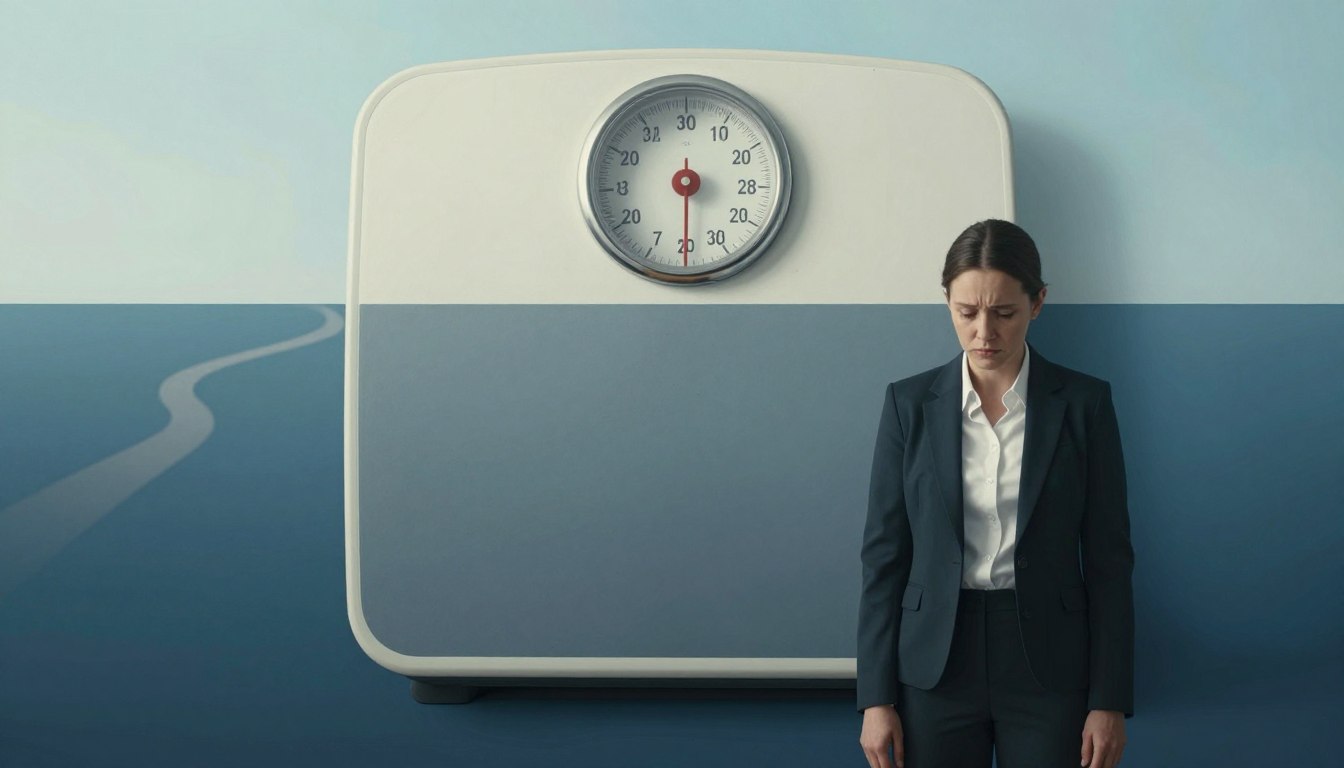
Facing a stall after early progress can feel frustrating, but it is common and not a sign you failed. A clear, simple definition helps: a weight loss plateau is when your scale and measurements stop moving despite steady habits.
Your body adapts as you meet initial goals. Calorie needs can drop, appetite may shift, activity can drift, and recovery needs rise. These are typical reasons your progress slows.
This guide focuses on practical, measurable steps using nutrition, movement, training, and recovery strategies you can test and track. If you have stayed consistent and still cannot move forward, medical support can help.
Pulse Health Clinic in Cleveland, Tennessee is a local option when you want clinician-guided evaluation. Doctors can check for underlying issues and discuss safe treatments so your journey continues toward your goal.
Key Takeaways
- A stall after early gains is common and reflects bodily adjustment, not failure.
- Main drivers include lower calorie needs, appetite shifts, less activity, and recovery demands.
- Focus on measurable nutrition, movement, and recovery tweaks to test what works for you.
- Seek medical evaluation when consistent efforts don’t restore progress.
- Pulse Health Clinic in Cleveland, Tennessee, can provide structured, clinician-led support and options.
Understanding What a Plateau Means in Your Weight Loss Journey
Fast movement at the start is usually driven by short-term shifts, not only fat reduction. That initial surge can be encouraging, but it often reflects fluid and glycogen changes more than steady fat change.
Why early changes can feel faster than later progress
In the first few weeks, your body sheds stored glycogen and extra water. This creates a quick drop on the scale that feels dramatic.
Over time, as your body gets smaller, it needs fewer calories. The same plan you started with can become maintenance at a new point.
- Distinguish trends from swings: early drops are often short-term; later progress is steadier.
- Expect metabolic shifts: your metabolism adapts and daily energy needs fall as you change size.
- Watch for automatic routine drift: small increases in portions or fewer steps add up over time.
Focus on sustainable fat reduction and health gains over weeks and months, not daily scale perfection. Next, you’ll learn how to confirm whether you’re truly stalled or just seeing normal fluctuations.
How to Tell You’re in a Weight Loss Plateau
If the scale has been flat for about 3–4 weeks despite steady habits, you may be in a true stall. Use simple checks to confirm before changing your approach.
Scale patterns that signal a true stall
Look for no downward trend across several weigh-ins. Small daily swings are normal, but a flat average over a few weeks suggests a pause.
Reduce noise by tracking a weekly average and drawing a short trend line to see if values rise, fall, or stay level.
Non-scale indicators to track
Measure waist and hips, take progress photos, and note how clothes fit. These signs often show change when the scale does not.
Body fat percentage or a tape measure can confirm real changes in composition and help you avoid chasing daily numbers.
Why water retention can mask fat loss
Sodium, hard workouts, travel, and menstrual cycles can raise water and hide true fat changes on the scale.
Many people see short-term fluid shifts. Confirm a stall by combining scale trends, measurements, and how your body feels before adjusting your plan.
Why a weight loss plateau happens in the first place
Physiological shifts—more than willpower—usually explain the slowing you notice. Multiple systems adapt as you change size, so the same plan can stop producing the results it did at the start.
Metabolic adaptation
As you get smaller, your body burns fewer calories each day. That drop in metabolic rate means your original targets can become maintenance. Adjusting intake or activity helps restore progress.
Appetite and hormones
Hormone changes can raise hunger and blunt fullness cues. When appetite increases, tiny extra bites or snacks add up and erase a calorie gap.
NEAT and activity drift
Non-exercise activity thermogenesis (NEAT) includes fidgeting, standing, and walking. A small decline in daily activity quietly cuts your energy burn.
Exercise efficiency and muscle mass
The same workouts burn fewer calories as you adapt. If protein and resistance training are low, muscle mass can fall and lower resting metabolic rate.
Sleep, stress, and cortisol
Poor sleep and chronic stress raise cortisol, boost cravings, and favor belly storage. These effects make it harder to maintain a calorie gap and steady progress.
These causes are common and fixable. The next sections show specific steps to reset calories, rebuild meals, and protect muscle so you move forward again.
Reset Your Calorie Intake Without Starving Your Metabolism
Underestimating everyday eating is one of the fastest ways your plan drifts off course. Small additions — extra bites, sauces, oils, and sweet drinks — add up and hide the true intake that matters.

How calorie “creep” happens
Concrete examples help: a tablespoon of cooking oil can add 120 calories. An extra forkful, vinaigrette, or latte can erase a meal-sized deficit.
Short-term tracking to find your baseline
Track everything for 1–2 weeks: food, drinks, sauces, and snacks. Recording intake alone often improves outcomes by making hidden choices visible.
- Use the data to make small, targeted changes rather than aggressive cuts that cause hunger.
- Build a realistic deficit from your current baseline that you can sustain with normal energy and recovery.
- Practical tweaks: measure oils, set a default meal plate, and plan snack portions so your habits stay repeatable.
The goal is accurate intake and steady consistency. Reset your numbers, make modest changes, and you’ll move forward without unnecessary hunger or risky restriction.
Rebuild Your Plate to Support Fat Loss and Control Appetite
Small plate changes can shift your hunger and help restart progress. Focus on filling meals that support metabolism and curb cravings so you can keep steady habits.
Protein targets to preserve muscle and boost heat from food
Set a practical protein focus at each meal to increase the thermic effect of food. Protein digestion burns roughly 20–30% of its energy during processing, more than carbs or fat.
This helps protect lean mass and makes meals more satisfying so you naturally eat fewer calories.
Fiber and vegetables to increase fullness
Add high-fiber foods and non-starchy vegetables to every plate. Soluble fiber slows digestion and improves appetite control.
Volume without extra energy helps you feel full between meals and supports consistent progress.
Carb adjustments and timing
Reduce refined carbs or move starchy servings around training if hunger is a problem. For many people, modest carb shifts help them eat less without feeling deprived.
Alcohol awareness
Remember that a single drink often adds ~100 extra calories and can lower inhibition. Limiting alcohol reduces hidden intake and the urge to snack later.
- Protein + vegetables + fiber-rich carbs/fats = simple plate to help break a weight loss plateau and keep results steady.
| Plate Component | Example | Benefit |
|---|---|---|
| Protein | Chicken, eggs, Greek yogurt | Preserves muscle; increases TEF; boosts fullness |
| Vegetables | Leafy greens, broccoli, peppers | Low-calorie volume; adds fiber and micronutrients |
| Fiber-rich carbs / Healthy fats | Oats, beans, avocado, olive oil | Slows digestion; improves satiety; balances meals |
Increase Physical Activity in a Way That Boosts Your Metabolic Rate
Shifting how often and how hard you train gives your metabolism a fresh signal to adapt. Start by changing one element: frequency, intensity, or duration. Small, steady upgrades keep progress moving.
Adding frequency, intensity, or duration
Try adding 1–2 sessions per week or push one session harder. Examples: interval sprints, incline walking, or a longer steady cardio day. These tweaks deliver progressive overload without drastic dieting.
Cardio, belly fat, and combining methods
Aerobic training often reduces overall fat and belly fat more efficiently than gentle activity alone. Pair cardio with resistance work to protect muscle and improve long-term results.
Turn up NEAT: simple daily moves
Raise daily energy with small habits: aim for step targets, take standing breaks, park farther away, and walk after meals. These ways boost total burn and complement formal exercise.
- Progression ideas: intervals, incline sessions, extra weekly cardio.
- NEAT tactics: walking meetings, timers to stand, post-meal strolls.
Leverage Strength Training to Preserve Muscle and Boost Metabolism
Adding regular resistance work preserves lean tissue and keeps your metabolism working for you. Strength work helps maintain muscle and supports a higher resting metabolic rate.
Why muscle helps you burn more energy at rest
More muscle mass raises the calories your body uses when you rest. If you lose muscle during dieting, your resting rate falls and progress becomes harder.
Practical weekly structure alongside cardio
Aim for 2–4 resistance training sessions per week plus 2–3 cardio sessions. Scale volume to recovery and schedule.
- Beginner: three full-body sessions (all major moves each day).
- Intermediate: upper/lower split twice weekly for more volume.
- Keep workouts focused on progressive overload, not endless cardio.
| Plan | Example | Benefit |
|---|---|---|
| Full-body | Squat, push, pull | Simple, efficient strength gains |
| Upper/Lower | Bench, row / Deadlift, lunge | Allows extra volume for progress |
| Cardio mix | 2 steady + 1 interval | Supports endurance and fat control |
Judge progress by stronger lifts, cleaner form, and faster recovery — not only soreness. Strength training supports long-term weight loss and ongoing body composition management.
Use Smarter Feedback Than the Scale Alone
A single scale reading rarely tells the full story of your body’s changes. Look at multiple signals so you can spot real progress even when the number on the scale seems stubborn.

Track measurements, photos, and body composition trends
Measure your waist each week and take full-body photos once a month under the same lighting. These simple steps show shape and size shifts that the scale may not capture.
When you add strength work, you can gain muscle while losing fat. That can keep the scale steady even as your body looks leaner and your clothes fit better.
Beware of misleading calorie and exercise estimates
Machines and wearables often overstate calories burned. If you “eat back” those numbers you can erase your deficit without realizing it.
- Use multiple tools: scale plus tape, photos, and trend charts.
- Tracking cadence: weekly waist, monthly photos, same conditions each time.
- Decision rule: change plans only after weeks of consistent trends, not single readings or workouts.
| Feedback Tool | What it shows | How to use it |
|---|---|---|
| Scale | Daily number; short-term swings | Average weekly values; don’t react to one reading |
| Tape measurements | Circumference change (waist/hips) | Weekly tracking to see body shape shifts |
| Photos / body comp | Visual and fat vs. muscle trends | Monthly comparison to confirm progress |
Focus on behaviors that drive results: consistent calorie control, steady training, and recovery. Use data to guide choices, but keep your plan rooted in habits that work over time.
Prioritize Recovery: Sleep, Stress, and Cortisol Management
How well you recover each night shapes hunger, hormones, and day-to-day energy. Good recovery helps your body respond to diet and training instead of fighting them.
How sleep affects appetite and metabolic health
Poor sleep raises hunger and reduces fullness signals by shifting key hormones. Over time this can lower metabolic rate and make portions feel less satisfying.
Target 7–9 hours per night. Tonight try these simple steps: set a fixed bedtime, dim lights an hour before, limit screens, avoid late caffeine, and keep the room cool.
Stress strategies to reduce cravings and abdominal cortisol effects
Chronic stress raises cortisol, which can increase cravings, prompt comfort eating, and favor extra abdominal or belly storage. Managing stress reduces those hormonal drivers.
- Daily walks or short resistance sessions to clear your mind.
- Mindfulness, journaling, or brief breathing breaks during busy days.
- Protect downtime and consider therapy when stress feels persistent.
Why consistency over weeks matters more than day-to-day swings
Recovery influences water retention and inflammation, which can mask real change on a scale. Judge progress by how consistently you sleep and manage stress across weeks, not by single days.
| Recovery Area | Quick Action | Why it helps |
|---|---|---|
| Sleep | 7–9 hours; fixed bedtime | Improves appetite cues and metabolic function |
| Stress control | Walks, breathing, journaling | Lowers cortisol spikes and reduces cravings |
| Daily routine | Evening screen limit, cool dark room | Faster sleep onset and deeper rest |
Hydration and Helpful Beverages That Can Support Your Plan
Staying properly hydrated influences appetite cues and daily energy more than many people expect. Good fluid habits help you feel fuller and keep focus during busy days.
Using water timing to reduce food intake
Drink a glass of water 20–30 minutes before meals. That simple step can reduce how much you eat at the meal by creating mild stomach fullness.
On busy days, a regular water routine helps you avoid mistaking thirst for hunger and keeps choices consistent with your plan.
Coffee, tea, and green tea compounds that support exercise
Coffee and plain tea are low-calorie options that can boost alertness and energy before a workout. Caffeine may enhance exercise-related fat-burning effects for some people.
Green tea contains EGCG, a compound studied for modest support when combined with regular activity. Use these beverages to improve training intensity and focus.
Practical cautions: avoid sugar-laden coffee drinks, limit late-day caffeine if it disrupts sleep, and don’t replace meals with beverages. Small drink choices add up across weeks and can meaningfully change weekly calories.
| Beverage | How to use | Benefit / Caution |
|---|---|---|
| Water | 1 glass before meals; sip through day | Curbs intake; prevents thirst-hunger confusion |
| Coffee | Black or light milk before exercise | Boosts energy and focus; avoid sugary add-ins |
| Tea (including green) | Plain or brewed; green tea around workouts | Low calorie; EGCG may aid fat-burning with exercise |
| Flavored drinks | Use sparingly; choose unsweetened options | Can add hidden calories; watch timing to protect sleep |
When Lifestyle Changes Aren’t Enough: Medical Reasons and Testing to Consider
If your routine feels solid but results stall for about 4–6 weeks, a clinical review is reasonable. A clinician can help you sort out medication effects, hormonal shifts, and uncommon medical reasons that blunt progress.
Medication and health conditions to discuss
Some prescription categories can change appetite, metabolism, or fluid balance. Ask your clinician about antidepressants, steroids, antipsychotics, and certain diabetes drugs.
Medical conditions such as hypothyroidism, polycystic ovary syndrome, and sleep apnea also affect how your body manages energy and hunger.
Metabolic testing: RMR and DEXA explained
RMR testing measures your resting metabolic rate and can be more accurate than online calculators. It gives a clearer picture of how many calories your body needs at rest.
DEXA scans assess body composition by separating fat and lean mass. That clarity helps you see whether you’re losing muscle or fat over time.
Key labs to request
- Thyroid function (TSH, free T4) — for slow metabolism or fatigue.
- Glucose regulation (fasting glucose, A1C) — for insulin-related changes in appetite.
- Sex and stress hormones — to assess menopause, low testosterone, or cortisol shifts.
Safety first: if you have extreme fatigue, hair loss, muscle weakness, or rapid return of hunger, seek prompt medical guidance rather than pushing harder on your plan.
| Concern | What to test | Why it matters |
|---|---|---|
| Unexplained fatigue or cold intolerance | TSH, free T4 | Identifies hypothyroidism affecting metabolic rate |
| Strong hunger or high blood sugar | Fasting glucose, A1C, medication review | Detects insulin issues or meds that raise appetite |
| Changes in body composition or muscle loss | RMR test, DEXA scan | Clarifies resting needs and fat vs. lean mass shifts |
How Medical Weight Loss Treatment Can Help You Break a Plateau at Pulse Health Clinic in Cleveland, Tennessee
Clinical treatments offer targeted support when your plan stalls despite good habits. At Pulse Health Clinic in Cleveland, Tennessee, clinicians combine testing, monitoring, and tailored medication options to help you move forward safely.
How GLP-1 medications help with appetite, fullness, and blood sugar
GLP-1 medications such as semaglutide and tirzepatide reduce appetite, increase fullness, and stabilize blood sugar. This combination often helps you lose weight when lifestyle changes alone aren’t enough.
Why plateaus can still happen and what dose adjustments mean
Even on medication, progress can slow. Research (for example, Zepbound data) shows many people see a longer-term plateau around week 72 on average.
If you haven’t reached a therapeutic dose and side effects are tolerable, a clinician may consider dose adjustments to renew progress.
Protecting muscle with protein and strength training
Medications can reduce appetite, which risks lower protein intake and muscle loss. Prioritize daily protein and consistent strength training to preserve muscle and support metabolism.
When to check in with a clinician
Contact your care team if stalled progress lasts 4–6 weeks, hunger returns strongly, you gain unexpected weight, or you have persistent nausea, vomiting, or dizziness that limits nutrition.
| Signal | Action | Why it matters |
|---|---|---|
| Stalled progress 4–6 weeks | Schedule review | Adjust plan or test for causes |
| Return of strong hunger | Assess dose and intake | May need medication or nutrition changes |
| Persistent side effects | Medical evaluation | Ensure safety and adequate nutrition |
Pulse Health Clinic offers clinician-guided care in Cleveland, Tennessee so you can discuss medications, monitoring, and a personalized plan that blends nutrition, training, and safety to restart progress.
Conclusion
A temporary stall is a normal part of your journey and can be fixed with targeted changes.
Focus on a few proven strategies: tighten calorie accuracy, rebuild meals around protein and produce, increase activity and exercise progression, and protect muscle with regular strength work.
Prioritize recovery—sleep and stress management affect hunger, consistency, and water that can hide real change.
Use multiple measures of progress, not just a single number on the scale, and treat your plan like a system: make one change, track it for a few weeks, and keep what works for your lifestyle and goal.
If you’ve been consistent and still can’t lose weight or break a weight loss plateau, medical evaluation can identify medication effects or metabolic needs.
If you’re ready for personalized help, schedule an appointment with Pulse Health Clinicy in Cleveland, Tennessee.